
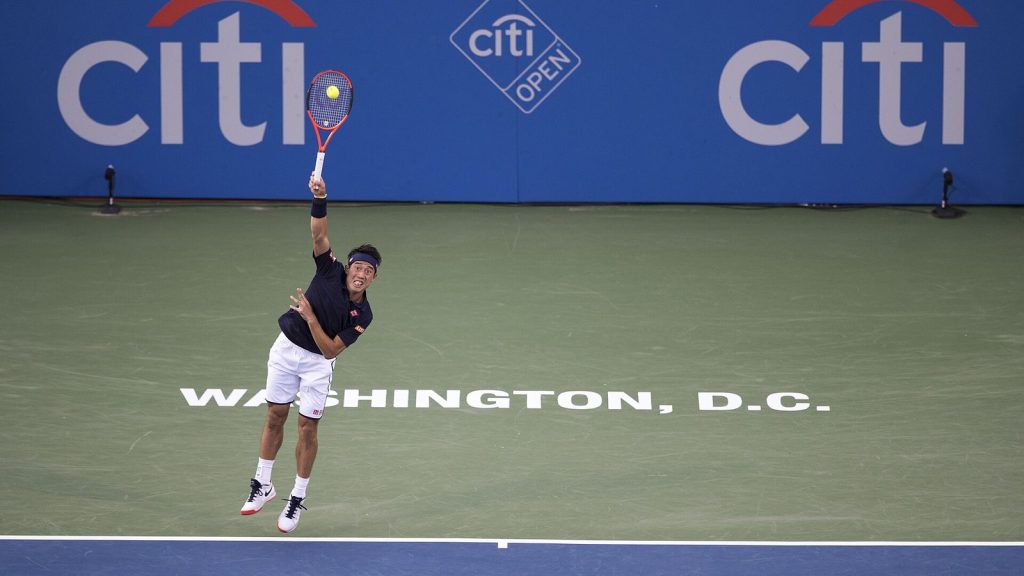
Kei Nishikori played his final US Open match on Friday. The former finalist lost to fellow Japanese player Rei Sakamoto in the last round of qualifying. Sakamoto won 6-4, 7-6(3), ending Nishikori’s attempt to reach the main draw one more time.
A farewell run lasted three matches
Nishikori entered qualifying with a wild card and began against Sebastian Ofner. He won the first set quickly, lost the second and recovered to take the deciding set. The final score was 6-1, 2-6, 6-2. It was an important victory because it proved that he could still manage a physical three-set match.
His second opponent was 16-year-old Michael Antonius. Nishikori won 6-4, 6-4 and moved within one victory of the main draw. The age difference gave the match a special context. Nishikori first appeared in US Open qualifying in 2007, three years before Antonius was born.
The final round brought another meeting between generations. Sakamoto is 19 and is one of Japan’s leading young players. He served with confidence and did not allow Nishikori to control enough rallies. Nishikori stayed close in the second set, but Sakamoto took the tie-break 7-3 and earned his first place in the US Open main draw.
New York changed Nishikori’s career
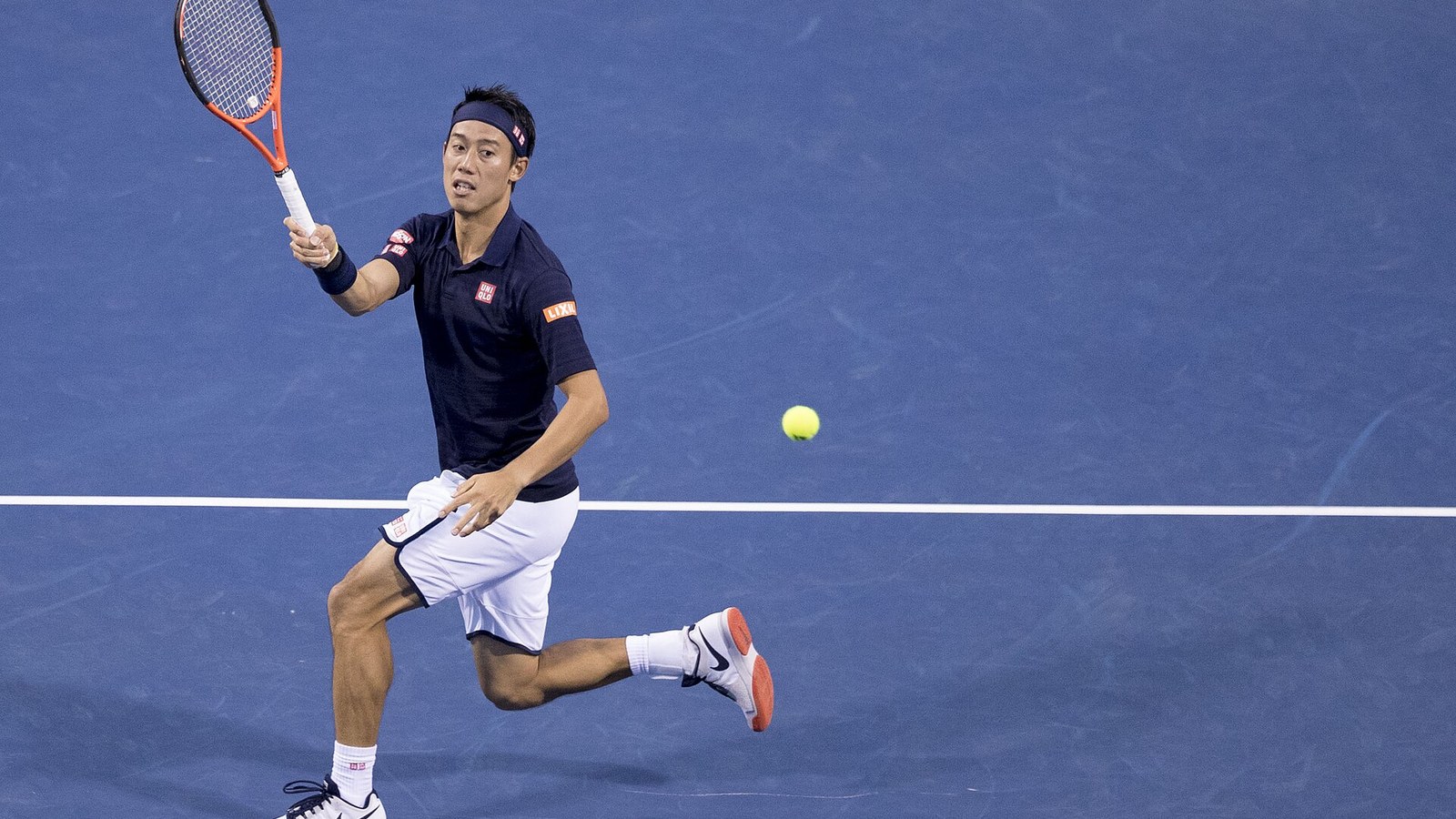
Nishikori’s most famous Grand Slam result came at the 2014 US Open. He defeated Milos Raonic, Stan Wawrinka and Novak Djokovic during a remarkable run to the final. Marin Cilic won the title match, but Nishikori became the first Asian man to reach a Grand Slam singles final.
That result had an effect far beyond one tournament. Nishikori rose to a career-high ranking of world No. 4 in 2015. His speed, early contact and accurate backhand showed that a player without the biggest serve could still challenge the strongest men on hard courts.
Injuries interrupted many later seasons, especially problems with his wrist, elbow, hip and ankle. Each return required another period of patient training. He still produced important wins and remained a difficult opponent when healthy, but he could not maintain a full schedule for long stretches.
The last opponent represented the future
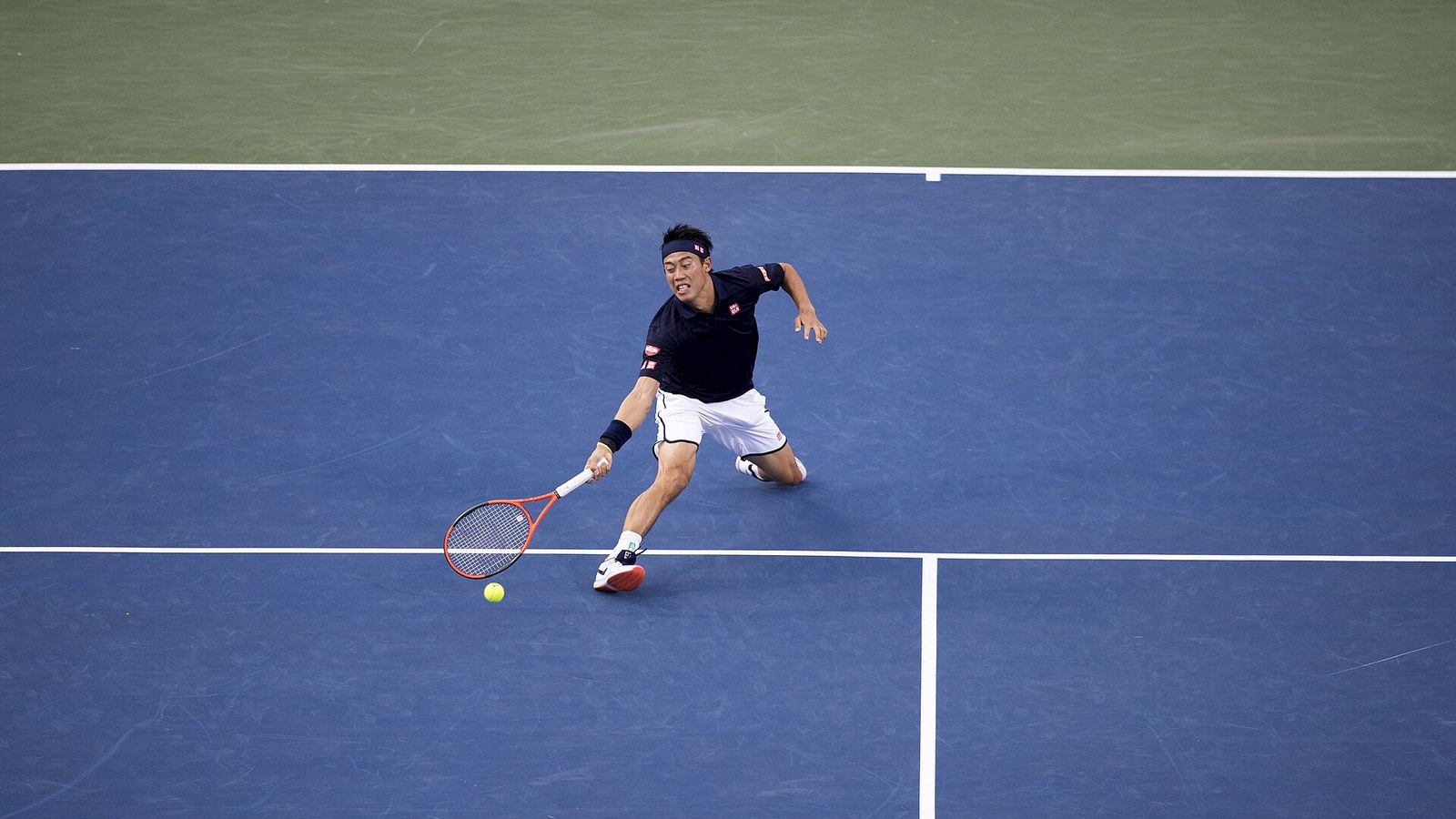
There was clear meaning in Nishikori’s final US Open opponent coming from Japan. He had practiced with Sakamoto before the match and knew the younger player’s game. After the defeat, Nishikori praised Sakamoto’s speed and serve. He also said that his opponent did not give him a comfortable rhythm.
Sakamoto now carries his own expectations. Reaching the main draw is an important step, but one successful qualifying week does not define a career. Nishikori’s path shows how much consistent work is required to stay near the top of the sport.
The contrast between the two players was visible in the final qualifying round. Sakamoto tried to keep points fast and used his serve to protect short leads. Nishikori looked for changes of direction and tried to take the ball early. The second set was close because the veteran continued to read the rallies well, even when he could not produce his best level for a complete match.
Nishikori plans to retire later in the season. He has not decided on an immediate role after competition, but he has spoken about helping Japanese and Asian tennis in the future. His experience could be valuable to players who must adapt to different surfaces, long travel and the pressure of representing a growing tennis market.
His influence can also be measured by access. Japanese fans followed regular ATP tournaments because Nishikori was competing in the final rounds. Young players could study a professional from their own country who succeeded through timing, movement and return quality. That example did not promise an easy route, but it made the highest level of men’s tennis feel possible.
The loss to Sakamoto closed Nishikori’s US Open story without a place in the main draw. It did not reduce what came before. His 2014 final, his rise to world No. 4 and his repeated returns from injury changed the expectations placed on Japanese men’s tennis. The final match became both a farewell and a quiet transfer of attention to the next generation.


