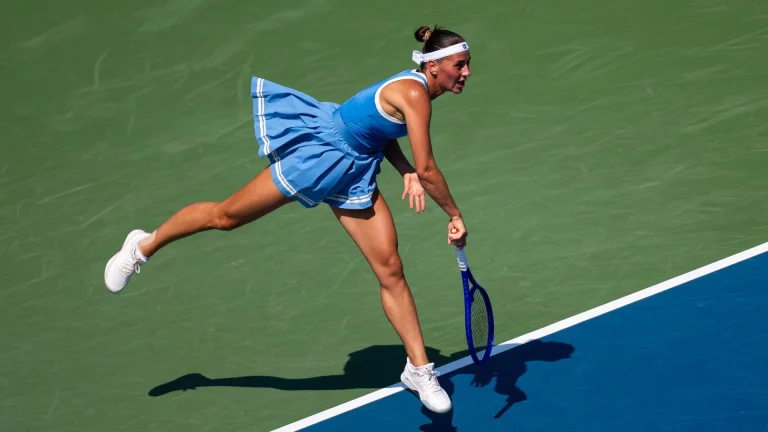
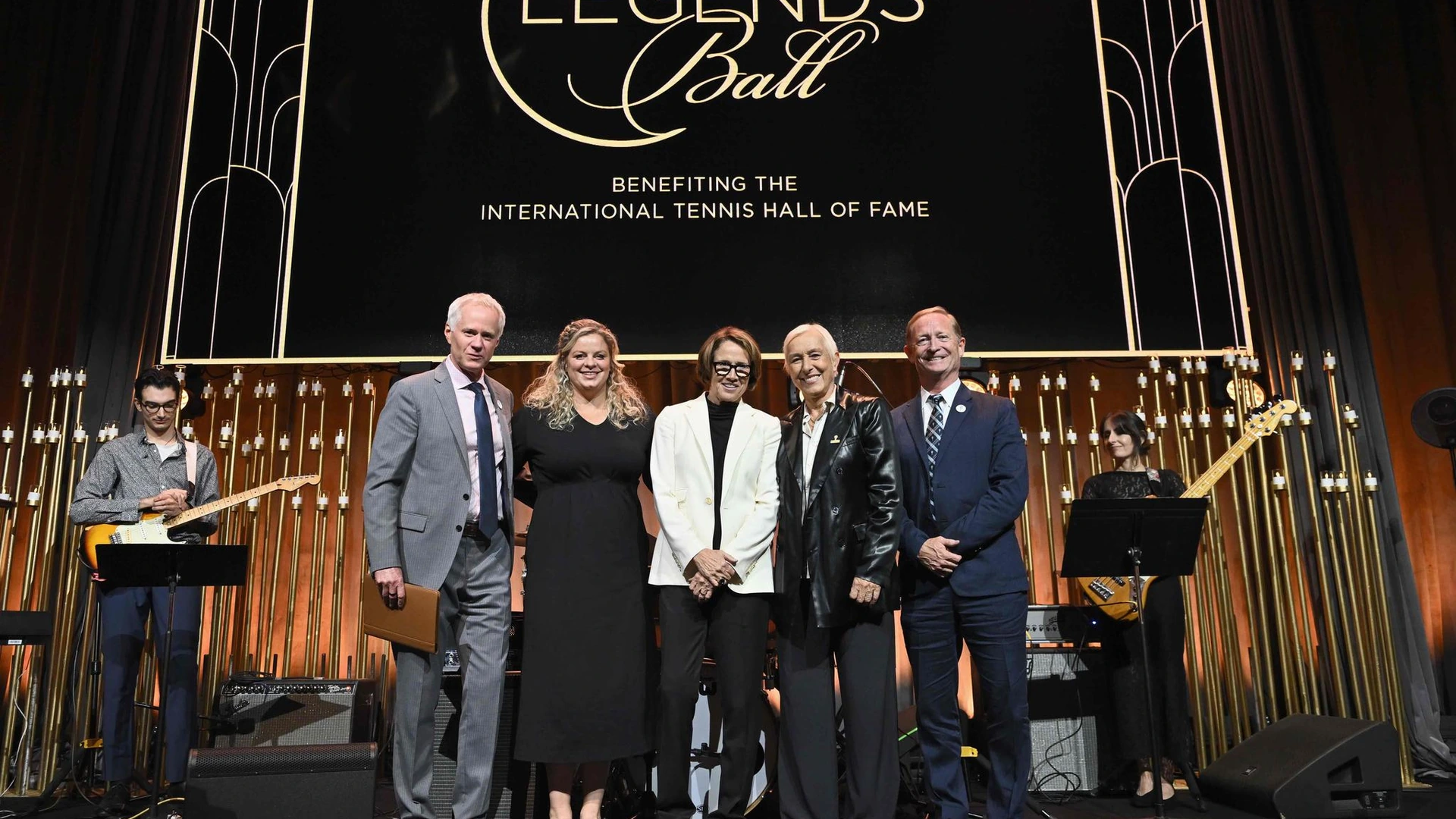
Mary Carillo received her official International Tennis Hall of Fame ring during the Legends Ball in New York. Hall of Fame president Kim Clijsters and Martina Navratilova presented the ring after video tributes to Carillo’s work as a commentator and journalist. The moment followed her induction in the Contributor Category and recognised a career built outside the usual path of tournament titles. It also offered a useful reminder that tennis history is preserved not only by the people who win matches, but by those who explain the sport clearly and keep its stories connected.
A contributor receives a different kind of tennis honour
The Contributor Category matters because it separates Carillo’s recognition from an assessment of her playing record. She competed professionally, yet the Hall of Fame selected her for what came afterward: decades spent interpreting matches, interviewing players and presenting tennis to audiences who did not all share the same level of knowledge. A good broadcast voice must serve regular followers without making a new viewer feel excluded. Carillo’s induction acknowledges the value of doing both at once.
Clijsters and Navratilova were fitting presenters. Each understands the pressure of elite competition, and each has also learned how public discussion can shape the way a career is remembered. Their role connected the honour given to a media figure with the experiences of champions she has covered. The ceremony did not place commentary above performance. It showed how the two parts of the sport depend on each other when a match moves from a live event into shared memory.
The ring completes the public recognition
Hall of Fame rings are presented separately from the formal induction ceremony. The ring is meant to become a permanent personal symbol, while the induction records the person’s place in the institution. Holding the presentation at the Legends Ball allowed Carillo to receive it among former players, colleagues and supporters rather than during a routine studio segment. The setting gave the achievement room to stand on its own.
Video tributes traced her lifelong connection with tennis and the range of her broadcasting work. That format was especially appropriate for someone whose influence is spread across many matches rather than one famous final. A commentator’s strongest contribution can be difficult to reduce to a single clip. It lives in the accumulation of careful questions, useful context and the ability to recognise when a point needs explanation and when the pictures should speak for themselves.
Clear commentary protects the meaning of a match
Tennis can overwhelm a casual viewer with rankings, surfaces, draw rules and tactical language. The solution is not to remove detail but to introduce it at the right moment. Carillo became known for direct observations and for treating players as people rather than pieces in a statistical argument. That approach can make a long match understandable without pretending it is simple. It also helps an audience see how pressure, injury, confidence and tactical adjustment interact.
The same standard matters when a difficult issue enters the broadcast. A contributor to tennis history must be able to describe celebration and disappointment while preserving accuracy. Praise loses value when every performance is called historic, and criticism becomes noise when it ignores the physical and strategic demands of the sport. Carillo’s longevity reflects trust earned through judgment: knowing what is confirmed, what is interpretation and what still requires an answer from the player involved.
The Legends Ball supports the next audience as well as the past
The event also supports the Hall of Fame’s nonprofit work, including programmes that preserve tennis history and introduce young people to the game. Students connected with TeamFAME and New York Junior Tennis and Learning spoke about the effect of those programmes. Their presence prevented the evening from becoming only a reunion of familiar names. The institution linked remembrance with access, showing why an archive and a youth court can serve the same broad purpose.
Carillo said that she loves the game, its players and the opportunity to work with them. The short statement fit the occasion because it did not turn the honour into a claim of individual ownership. Her ring recognises a place in tennis history, but the work behind it has always required other people: athletes willing to speak, production teams able to show the action and viewers ready to stay curious. The ceremony celebrated the voice that helped those groups understand one another.