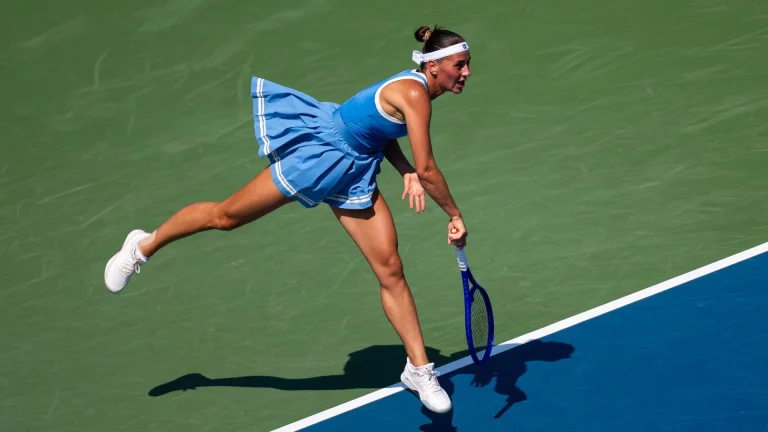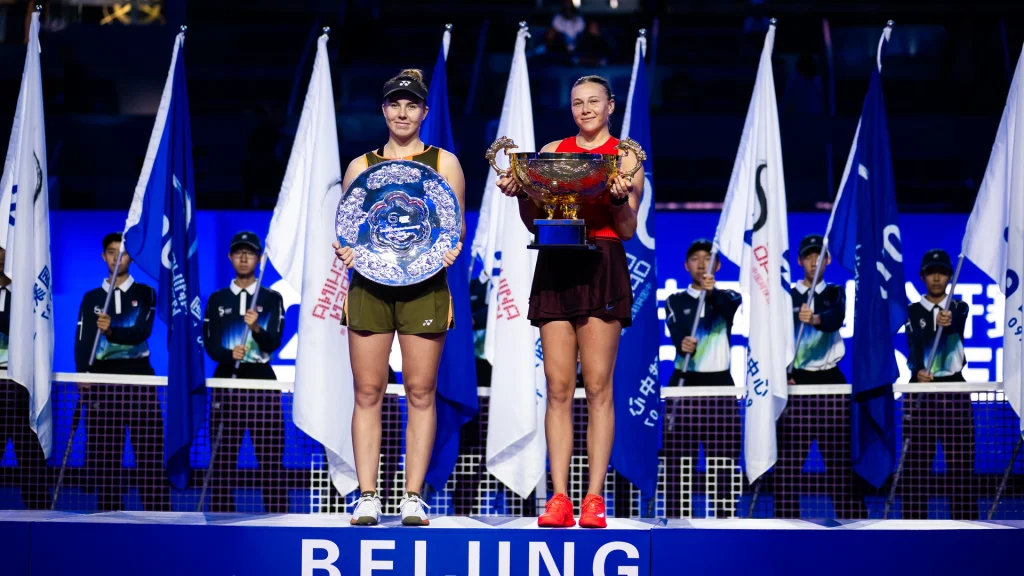
The China Open entry list includes almost all of the leading WTA players. Aryna Sabalenka heads the list, with Elena Rybakina, Jessica Pegula and Coco Gauff among the other prominent names. Defending champion Amanda Anisimova also returns. The list may change before the tournament begins, but its current depth means that experienced opponents can meet in the early rounds.
Depth changes the value of the opening rounds
The WTA reports that eighteen members of the Top 20 are entered. This strong group leaves few comfortable paths through the tournament bracket. Seeded players may avoid the first round, but they can still meet a player with major tournament experience soon afterwards. Everyone will need to adjust quickly to the speed of the court and correct weak shots before the next difficult match.
Beijing uses outdoor hard courts, where balance matters more than one spectacular weapon. A strong serve can produce short points, but the return position and movement decide whether a player can maintain pressure over several rounds. Conditions can also change between day and evening matches. The list brings together players with very different strengths, so each round can present a new tactical problem.
Sabalenka leads a group with several ways to win
Sabalenka is first on the list. Rybakina can take control with an early powerful shot, while Pegula often succeeds through quick timing and accurate direction. Gauff can turn defence into attack and force an opponent to play one more difficult ball. Mirra Andreeva, Linda Noskova, Karolina Muchova and Iga Swiatek add further variety. These are descriptions of their usual styles, not predictions of the final result.
A strong group of opponents can expose a one-dimensional plan. A player may face a powerful server in one round and a patient defender in the next. Recovery between matches is important, as is the ability to change the return position or the height of groundstrokes. The strongest contender may be the player who adapts calmly whenever the next opponent presents a different problem.
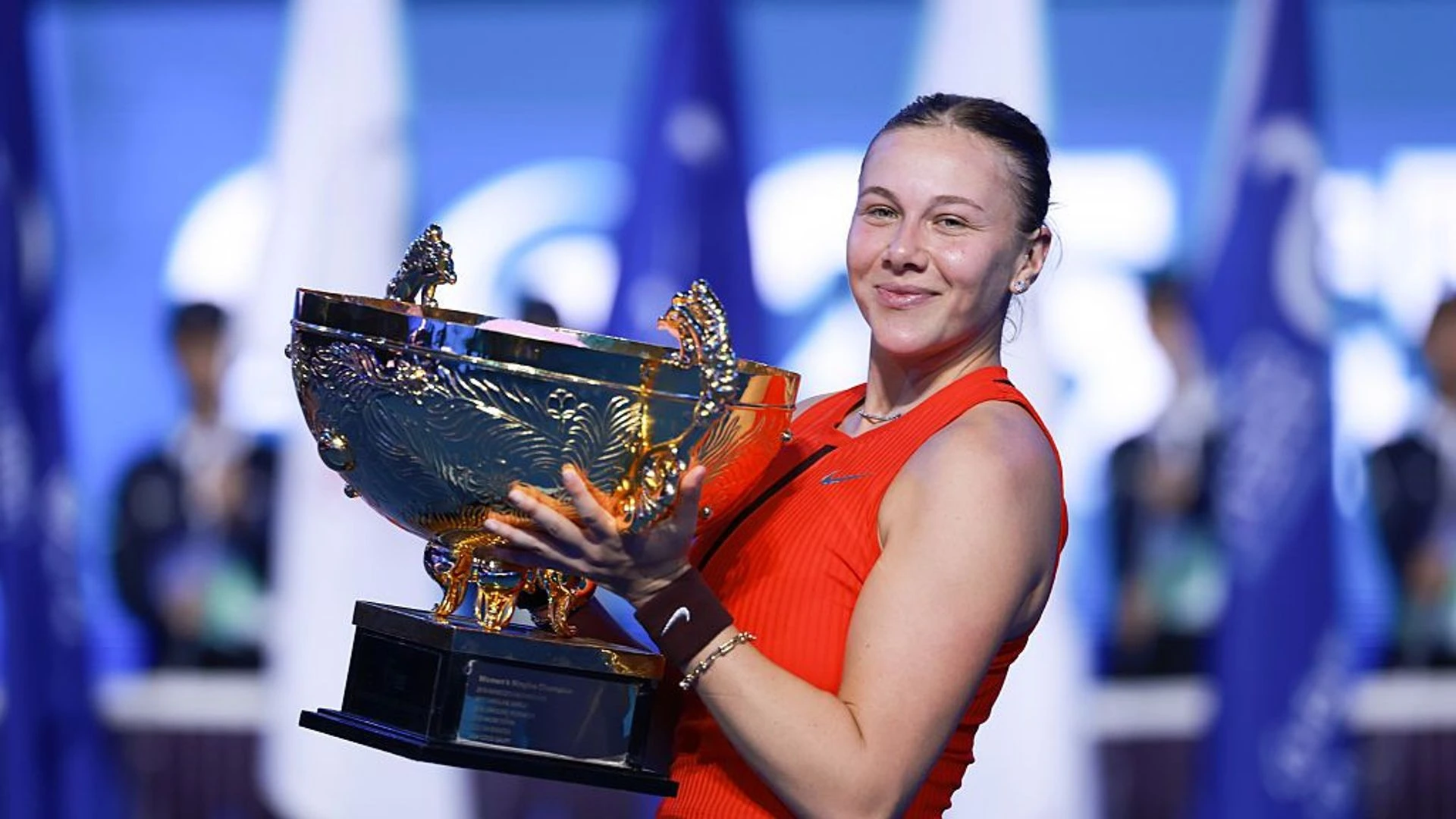
Anisimova returns with the champion’s reference point
Anisimova won the previous tournament by defeating Noskova in the final. That experience gives her useful knowledge of the playing surface and conditions, but defending a title creates new pressure. Every round will be compared with her earlier run. Her task is to use what she learned without expecting the same opponents or the same sequence of matches.
Gauff, Swiatek and Naomi Osaka are also former champions in Beijing. Their trophies show that they know how to manage this venue and a large tournament. They do not guarantee another long run because physical condition, confidence and opponents change from season to season.
Beijing can shape the final part of the season
The China Open sits in a part of the calendar when players carry both opportunity and fatigue. A strong run can improve qualification prospects for the season-ending championships, while a demanding week can affect the tournaments that follow. Teams must decide when extra practice adds value and when recovery is more important. Those decisions will be individual because the leading players arrive after very different workloads.
Victoria Mboko and Alexandra Eala were the two Top 20 players not included in the list reported by the WTA, for separate scheduling and fitness reasons. Even without them, the tournament includes most of the leading players. The final list may still change before play begins, so predictions remain provisional. A long run in Beijing will require consistent quality across several difficult matches.
The large tournament bracket also affects preparation. A player cannot design one plan for every possible opponent. Coaches can prepare clear responses for a powerful serve, a high defensive ball and an opponent who attacks the net, then select the relevant response after the tournament bracket is published. This is more practical than trying to predict every round before the first match.
Physical recovery will be equally important. Outdoor hard-court matches place repeated stress on movement, especially when a player must change direction during long rallies. Efficient service games and calm decisions can save energy for later rounds. The winner will need both high-level tennis and a routine that keeps the body ready throughout the event.