
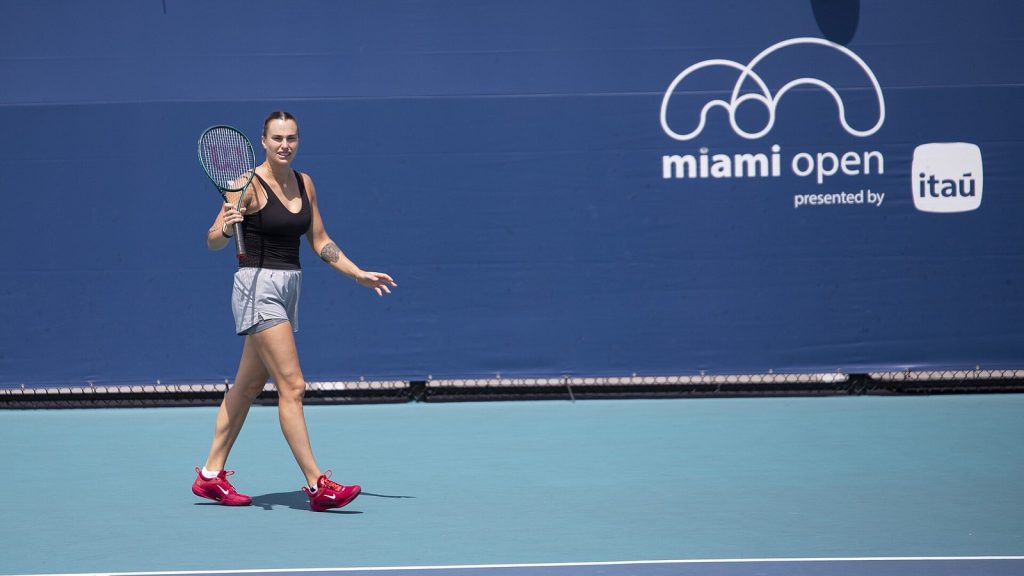
Aryna Sabalenka begins the US Open with two important goals. She can become the first woman since Serena Williams to win three consecutive singles titles in New York. She must also protect the world No. 1 ranking after a difficult run of results during the summer.
Recent defeats changed the conversation
Sabalenka started the year in strong form. She reached the Australian Open final, then won consecutive hard-court titles at Indian Wells and Miami. Those results confirmed that her serve and first attacking shot remained among the strongest combinations on the women’s tour.
The picture became less clear later. Naomi Osaka stopped her in the fourth round at Wimbledon. Ekaterina Alexandrova beat her in the fourth round in Toronto. Sara Bejlek then defeated her in Cincinnati after Sabalenka lost leads in both sets. She has not advanced beyond the fourth round at her recent tournaments.
Those losses did not erase the work from the first part of the season. Sabalenka is still the top-ranked player, and she has already shown that she can respond to difficult periods. The concern is more specific. Her aggressive style needs clear decisions. When she becomes uncertain, the same power that wins points can create quick errors.
Flushing Meadows remains her strongest stage
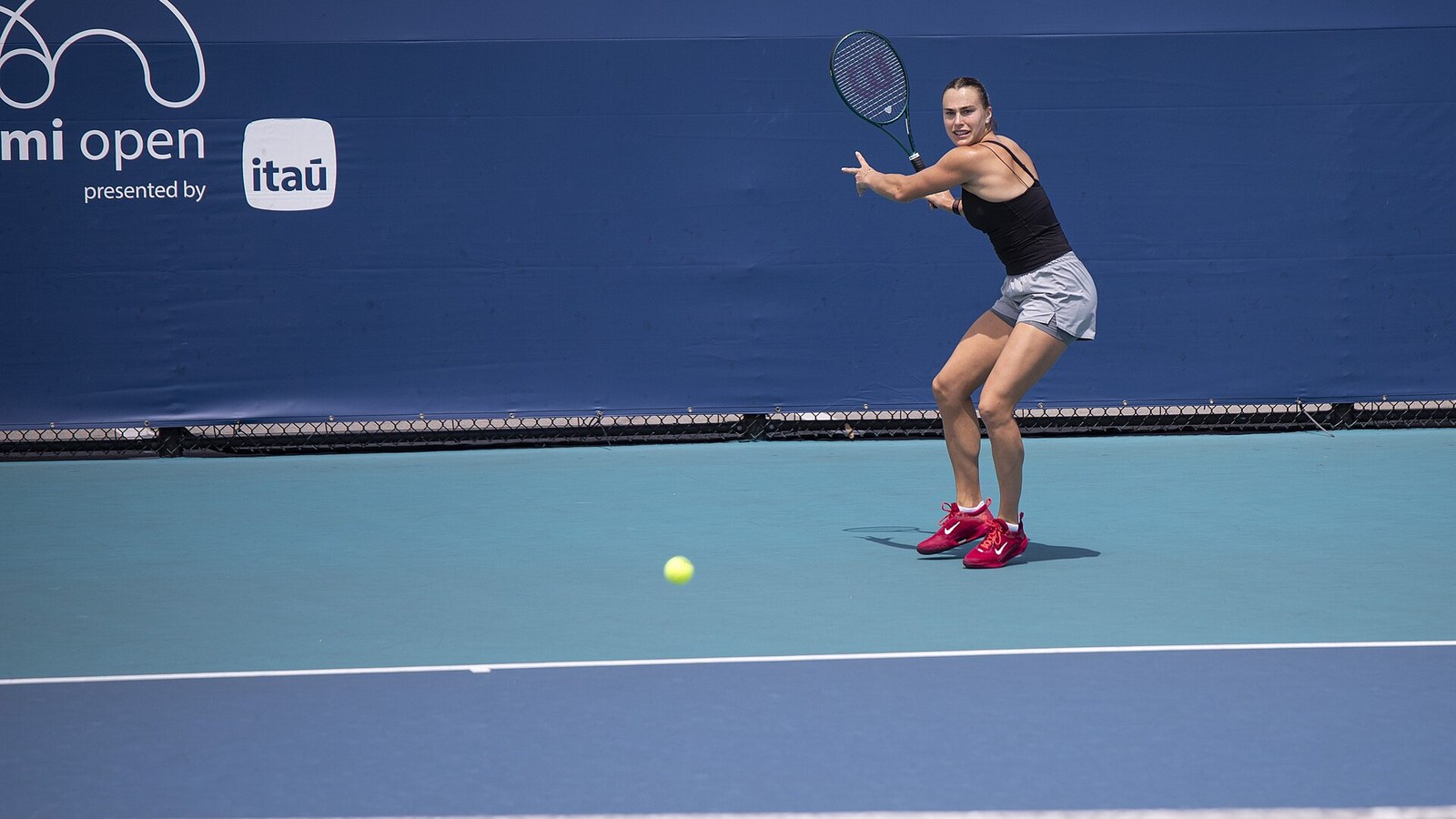
New York has rewarded Sabalenka’s direct tennis. She won her first US Open title in 2024 by defeating Jessica Pegula in the final. She defended the trophy in 2025 with a victory over Amanda Anisimova. The court speed allows her to attack second serves and take control from the middle of the baseline.
A third title would place her beside a small group of champions. Serena Williams was the last woman to complete the same run, winning from 2012 through 2014. Sabalenka does not need to copy those campaigns. She needs to use the experience of her own two titles and keep each match separate from the larger record.
The draw gives her a clear but difficult route. Jessica Pegula or Wimbledon runner-up Karolina Muchova could appear in the semifinal. Elena Rybakina is in the other half, so the two leading players can meet only in the final. Rybakina is also close enough in the rankings to challenge Sabalenka for the No. 1 position.
Serve quality will set the tone
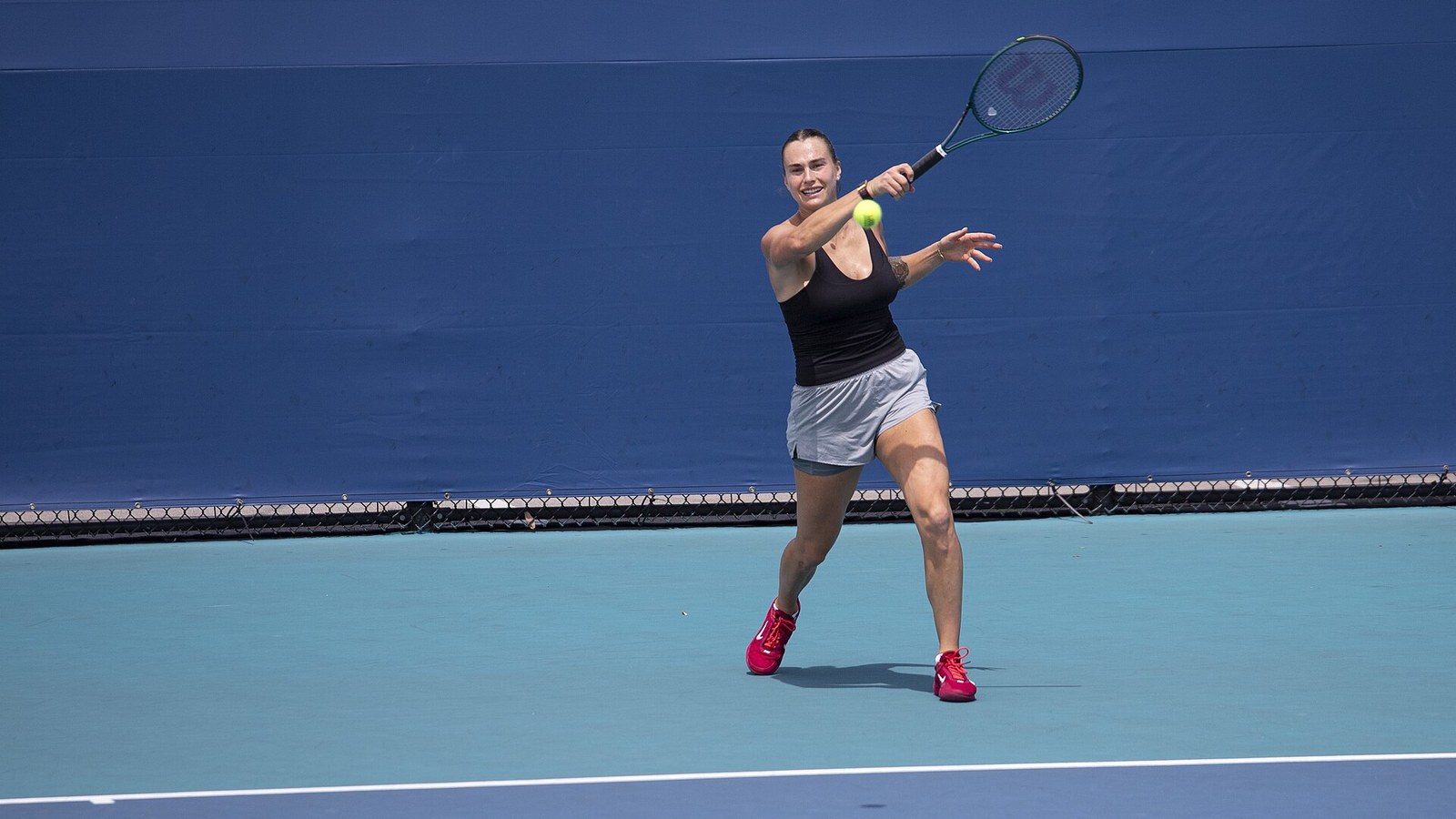
Sabalenka plays her best tennis when the serve starts an organized attack. A strong first serve creates a short return. She can then move forward and hit into open space. The pattern becomes less reliable when the first-serve percentage falls and opponents can attack her second delivery.
Patience will matter as much as speed. She does not have to finish every point with the first powerful shot. New York rewards controlled aggression because the ball travels quickly through the court. One extra shot can move an opponent away from the centre and create a safer opening.
Her movement between attacks will also be important. Sabalenka can defend well, but she is most dangerous when she recovers close to the baseline. That position lets her take the next ball early. If she moves too far back, opponents gain time and can direct the rally away from her forehand.
The opening rounds should also reveal how she handles difficult moments. A double fault, a missed return or a lost service game does not have to change the next point. During her two title runs, Sabalenka often responded to mistakes by returning to a familiar serve pattern. That discipline will be especially useful now because opponents have seen the frustration that appeared in Toronto and Cincinnati.
Her ranking situation adds pressure, but it can also simplify the objective. Sabalenka cannot control Rybakina’s or Pegula’s results. She can control the quality of her own preparation and the choices she makes in rallies. A deep run would protect many ranking points, while another early defeat would give her rivals a clear opportunity to move ahead.
The recent results explain the questions around her campaign, but they do not decide what happens in New York. Sabalenka has won fourteen straight main-draw matches at the US Open across the last two editions. The first week will show whether familiar courts can help her rebuild the calm rhythm that was missing earlier in the summer.


