
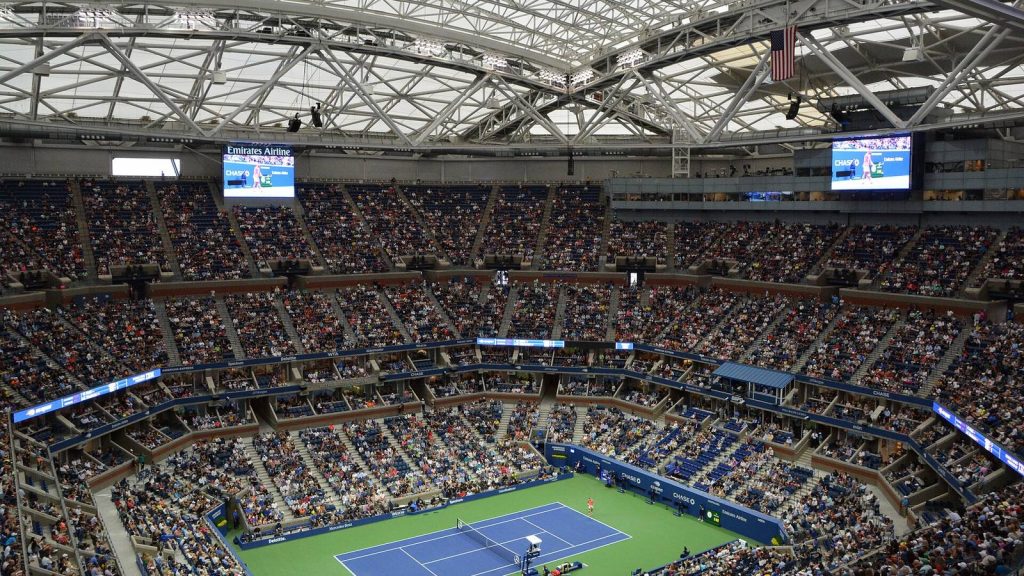
The US Open has increased its total player compensation to $108 million for 2026. The package is the largest announced by a professional tennis tournament. It is 20 percent higher than the $90 million distributed in 2025 and 44 percent higher than the total from two years ago.
Payments increased at every stage
The men’s and women’s singles champions will each receive $5.5 million. A player who loses in the first round of the main draw will earn $140,000. That first-round amount is 27 percent higher than last year and is designed to improve the value of qualifying for the tournament.
| Singles Round | Payment Per Player |
|---|---|
| Champion | $5,500,000 |
| Finalist | $2,800,000 |
| Semifinalist | $1,450,000 |
| Quarterfinalist | $780,000 |
| First Round | $140,000 |
Qualifying players also receive more support. A first-round qualifying participant will earn $32,000, an increase of 16 percent. The qualifying payment matters because many players outside the top rankings pay for coaches, travel and accommodation without a guaranteed place in the main draw.
Doubles and lower rounds receive attention
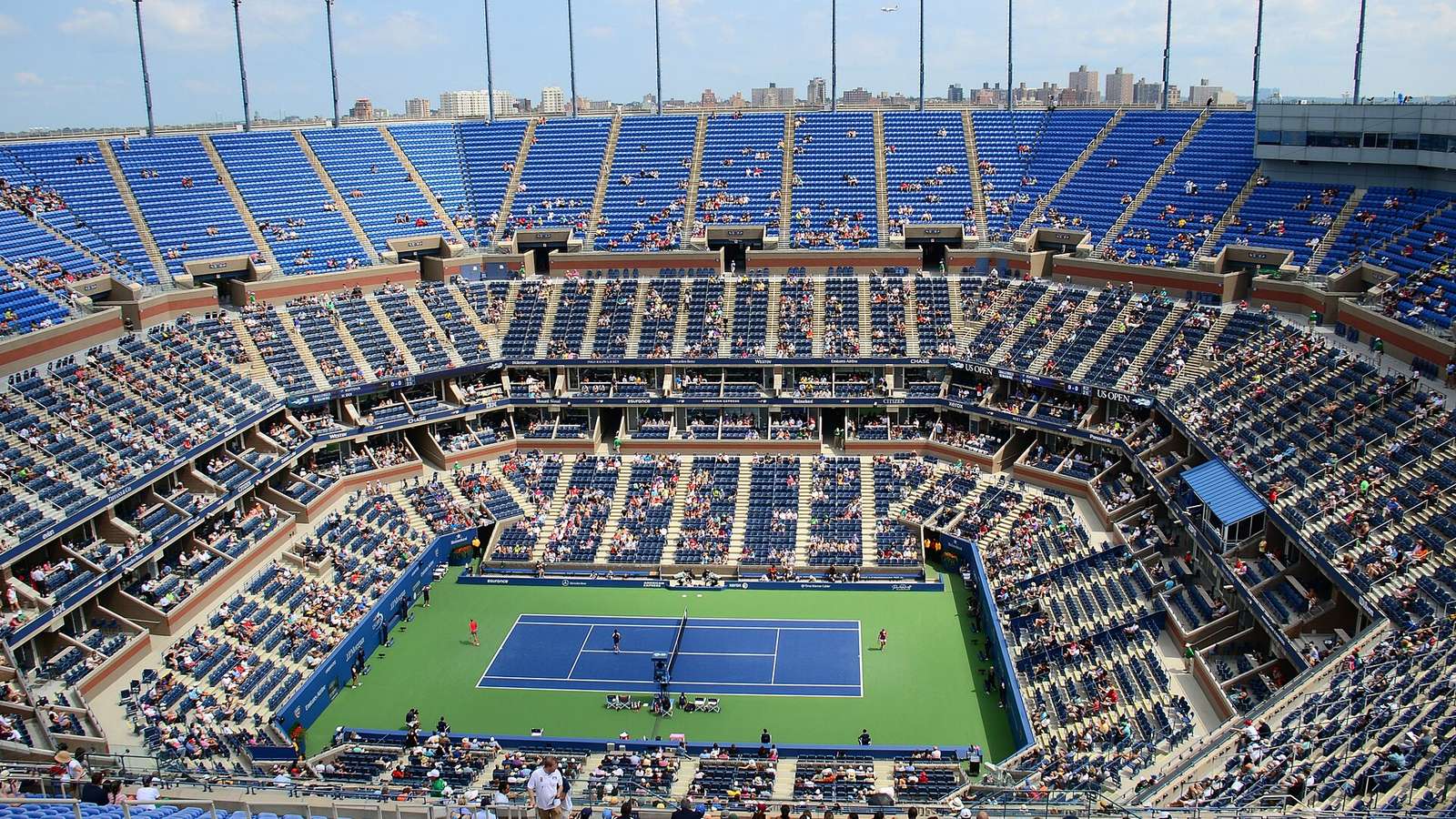
The winning teams in men’s doubles, women’s doubles and mixed doubles will receive $1 million per team. Men’s and women’s doubles finalists will earn $500,000 per team. These increases recognize that doubles players share the payment and often have fewer large earning opportunities during the season.
The wider distribution is important. A record champion’s cheque attracts attention, but most of the field leaves before the final weekend. Higher payments in qualifying and the early main-draw rounds can give those players more stability and allow them to plan a longer schedule.
The US Open remains a major commercial event, and the new package reflects that scale. Larger crowds, media agreements and sponsorship income have increased the value of the tournament. Players have also asked the four Grand Slams for a greater voice in decisions that affect competition and working conditions.

A new support program will begin with $2 million
The compensation package includes an initial $2 million for a Player Support Program. The money will be divided equally between men’s and women’s players. It will remain in an account while the tournament and player representatives complete the details of the program.
The plan is intended to help with important events during a player’s career and with the transition into retirement. Eligibility will not depend on ranking levels. The current proposal covers players who compete in the US Open singles and doubles main draws.
That approach separates the program from prize money alone. A ranking can change quickly because of injury or a short run of poor results. A support system based on participation can remain available when a player needs help most. The final rules still require consultation, so the practical benefits and application process have not yet been announced.
A new Grand Slam Player Council will advise the tournament about the program. The Australian Open, Roland Garros, Wimbledon and the US Open created the council together. It will give players a formal way to discuss conditions on the court and issues inside each tournament.
Early-round increases can also affect competitive planning. A player who earns $140,000 for reaching the singles main draw still has taxes and team expenses, but the payment can cover several months of travel. The $32,000 qualifying payment offers similar help on a smaller scale. It reduces the financial damage of losing before the main event and gives players more freedom to continue their season.
The equal payments for men and women continue the tournament’s established policy. The new support fund will follow the same principle, with its initial money divided evenly. That detail matters because the program is meant to serve career needs rather than reward the size of an individual draw or the commercial profile of one player.
The record total is therefore more than a larger winner’s prize. It raises payments across the draws and creates a structure for future consultation. The final value of the support program will depend on its detailed rules, but the first $2 million commitment gives the project a clear starting point.


