
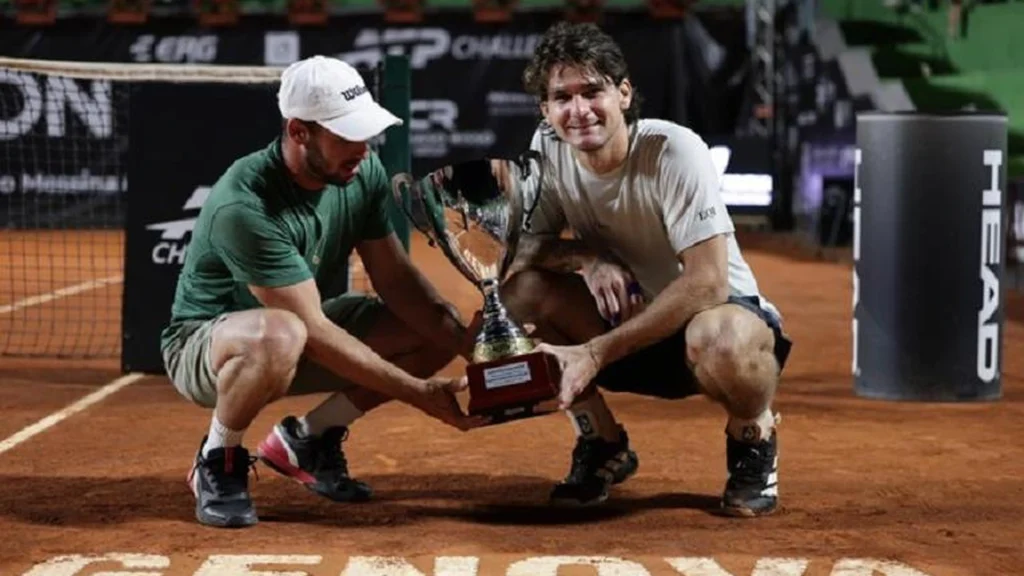
Thiago Seyboth Wild beat Pedro Martinez 6-4, 6-2 in the Genoa Challenger final. The straight-set victory completed the clay-court Challenger 125 event and gave Seyboth Wild the singles title.
A completed final on Genoa clay
Seyboth Wild and Martinez reached the final after a full week in the Genoa draw. The last match kept both players on the clay surface that defined the event. Seyboth Wild then won in two sets, removing the need for the uncertainty of a deciding third set.
The score gives the final a clear shape. The opening set remained close through most of its games, while the next produced a wider margin. That difference shows a contest that began with limited separation before the eventual champion gained firmer control.
The opening set allowed little room
A close opening set leaves both players aware that one poor service game can decide the entire phase. Seyboth Wild created the necessary advantage and completed the set before Martinez could extend it. He gained the lead without needing a tiebreak or a long closing sequence.
On clay, that narrow margin still asks for patience. A player may have to defend after an attacking shot, adjust to a higher bounce and choose the right ball before changing direction. Seyboth Wild’s success in the set came from winning enough of those exchanges while keeping his own path through the score intact.
The second set creates separation
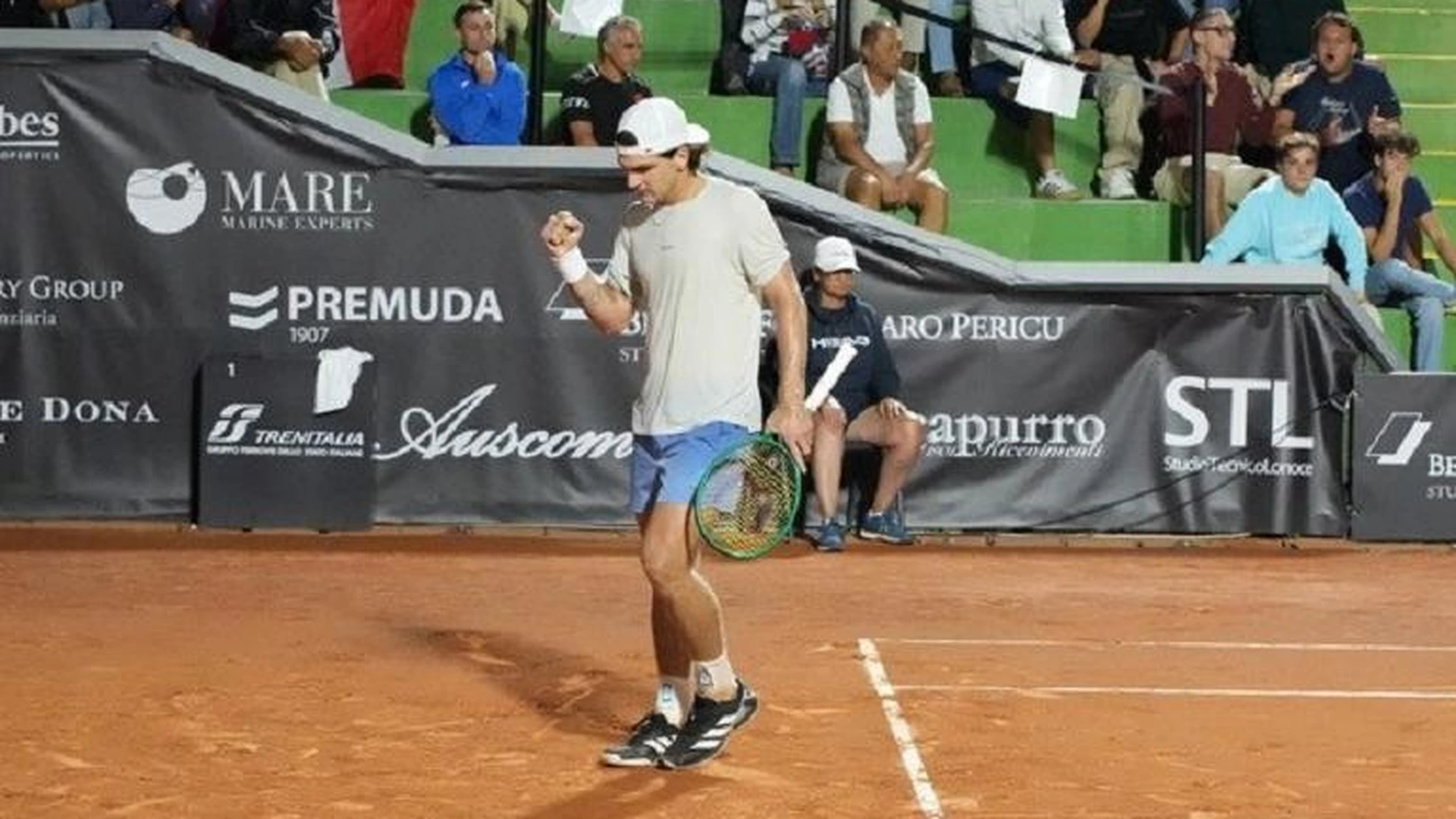
The match moved more decisively toward Seyboth Wild in the second set. His wider margin ended Martinez’s chance to start a comeback. Once ahead, Seyboth Wild still had to complete service games and remain active on return rather than wait for the finish to arrive.
Martinez faced the difficult task of changing a match while the score was moving quickly. Longer rallies could offer time to test the leader, but they could also make each game physically expensive. Seyboth Wild kept the advantage large enough that one good response from Martinez would not erase the full lead.
Clay rewards balanced positioning
Clay can slow the ball and make movement after contact especially important. A forceful groundstroke does not always finish the point, so the hitter must recover into a useful position and prepare for another reply. Sliding with balance and controlling depth can matter as much as the speed of the first attack.
Those conditions help explain the practical challenge of a straight-set win. Seyboth Wild needed repeated control across service games and return games, not one isolated burst. Martinez also had time to defend and redirect, which meant the champion had to select openings carefully instead of treating every short ball in the same way.
Challenger 125 status raises the value
Genoa was staged as a Challenger 125 tournament, a significant level within the ATP Challenger Tour. The title therefore came through a professional draw with ranking value and a sequence of matches, not through a single exhibition. Seyboth Wild completed that work by beating Martinez in the championship match.
Challenger events are also important because they give players competitive weeks outside the largest tour stops. A deep run requires recovery between rounds, adjustment to different opponents and attention when a match is played away from the brightest global stage. Winning the final turns all of those separate tasks into one recorded title.
What the result confirms
The Genoa victory can support Seyboth Wild’s ranking position and confidence, but it does not guarantee the outcome of his next event. A new tournament can change the court, weather, travel demands and draw. The precise claim is already valuable: he won the Genoa Challenger by completing the final in straight sets.
Martinez leaves as the runner-up after reaching the last match of the draw. That remains a substantial week even though the final ended in straight sets. Reporting the two achievements clearly preserves the distinction between progressing through the event and taking the trophy when the two finalists met.
A direct finish to the tournament
Seyboth Wild’s final did not require a third set, a delayed conclusion or a calculation based on another result. He won both sets on court and closed the Challenger week as its confirmed champion. The event record can therefore move from a live schedule to a completed championship without qualification.
The simple score line should not hide the progression inside it. A close opening set placed an early demand on both players, and the wider second set showed the champion extending his advantage. Together they explain how Seyboth Wild moved from finalist to title winner on Genoa’s clay.


