
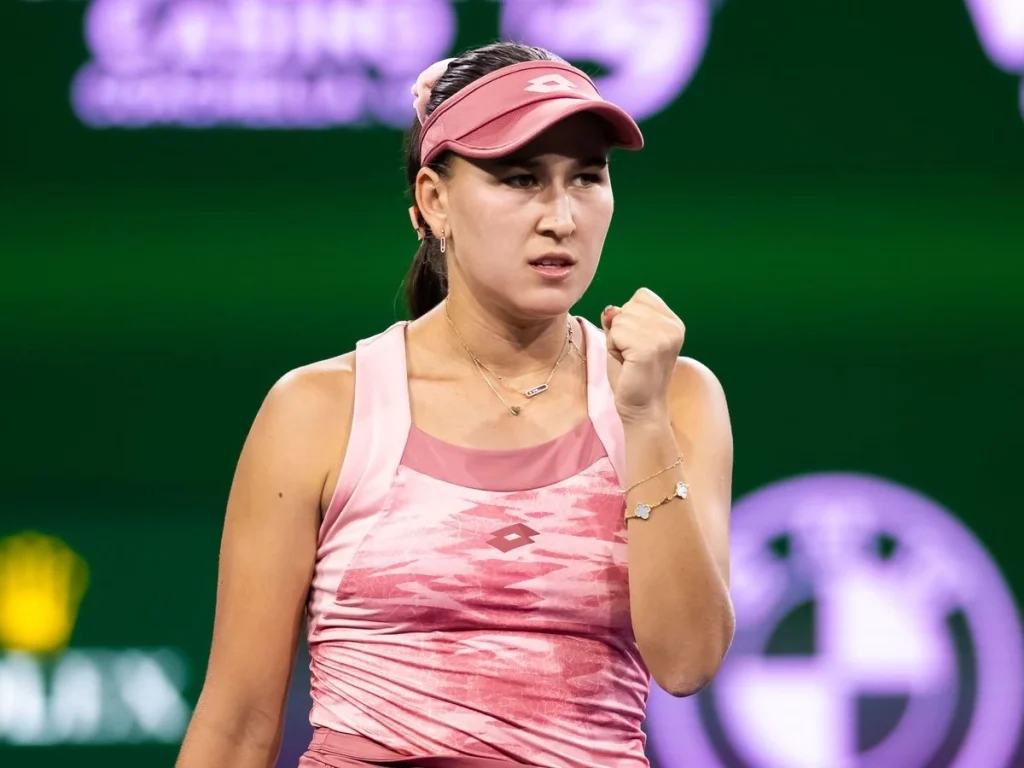
Aryna Sabalenka defeated Kamilla Rakhimova 6-3, 6-4 to reach the fourth round of the US Open. The defending champion completed the match in one hour and 29 minutes and extended her winning streak at the tournament to 16 matches. Rakhimova created resistance late in the second set, but Sabalenka kept the pressure on the next return game and closed the contest in straight sets.
An early break gave Sabalenka room to manage the first set
Sabalenka broke in the second game and established the scoreboard advantage before Rakhimova could settle into a comfortable rhythm. The lead allowed her to serve with clearer targets rather than chase a winner from every neutral ball. Rakhimova continued to redirect pace and made several return games competitive, but she was usually responding from behind. Sabalenka’s power mattered most when it was supported by court position and a prepared next shot, not when it was used as an isolated attempt to end the point.
Rakhimova made the second set more demanding
The challenger stayed close by holding under pressure and making Sabalenka play additional balls. At 4-4, Rakhimova had a game point that could have moved her ahead. Three unforced errors then changed the game and gave Sabalenka the break. That sequence should not be inflated into a complete loss of control across the match. It was a narrow passage in which the champion maintained depth and Rakhimova’s margin disappeared. The next service game still had to be completed.
| Round | Third round |
|---|---|
| Winner | Aryna Sabalenka |
| Score | 6-3, 6-4 |
| Duration | One hour, 29 minutes |
| Tournament streak | 16 consecutive US Open wins |
The closing hold showed control rather than haste
Serving for the match can tempt a leading player to finish points too quickly. Sabalenka kept her first shot purposeful and did not allow the previous break to become the emotional finish before the final point. A strong serve created shorter replies, while balanced recovery protected against a sudden counterattack. Closing in two sets also limited physical and mental expenditure before the next round. The benefit comes from executing the final game, not from assuming that an opponent will stop after losing serve.
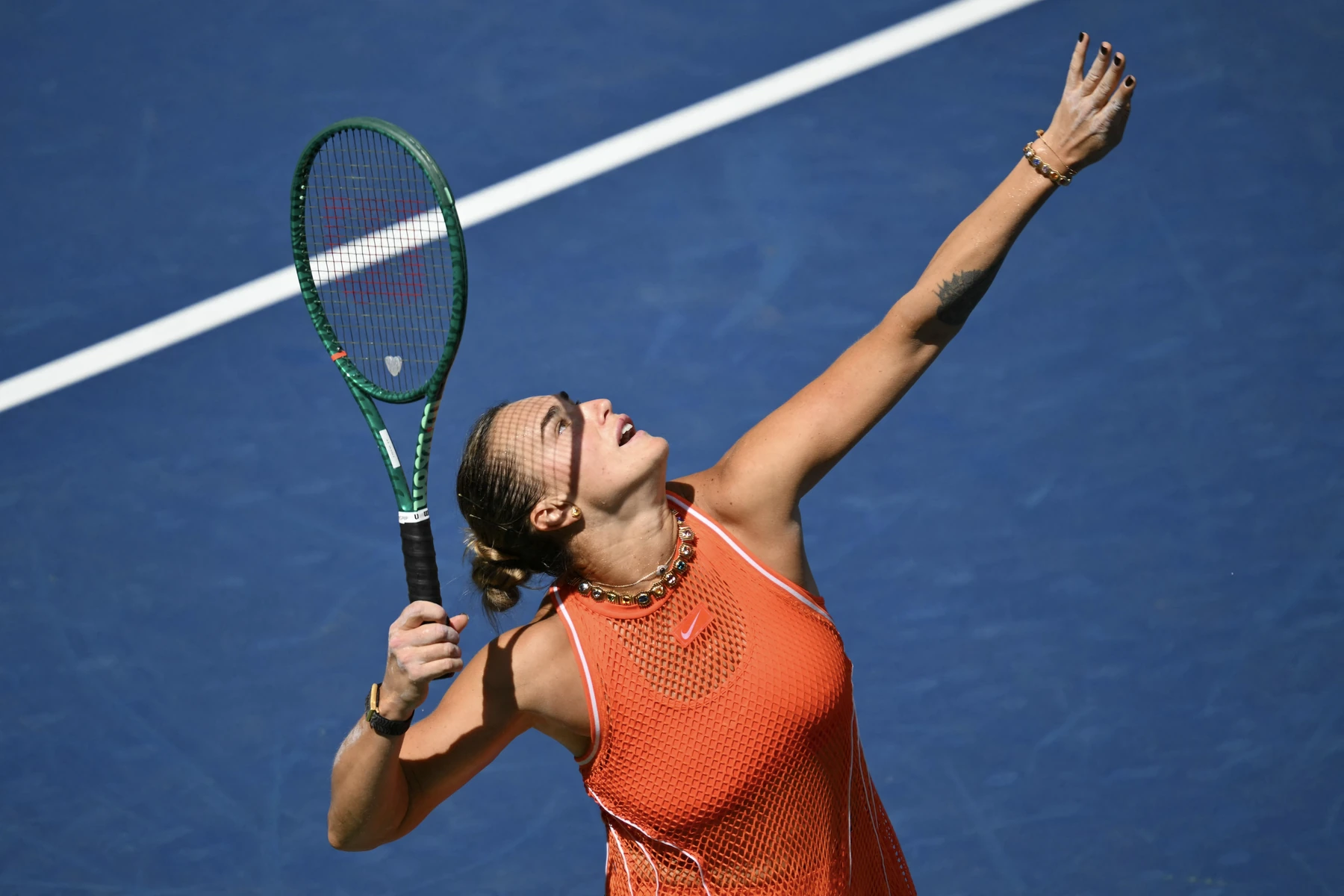
Six straight fourth-round appearances show repeatable preparation
Sabalenka has reached at least the fourth round in New York for a sixth consecutive year. Her current 16-match tournament winning streak includes last year’s title run and the opening rounds of this edition. A streak joins separate seasons, surfaces conditions and opponents into one record, but it does not guarantee the next result. Its value is evidence that she repeatedly prepares well for the pace and atmosphere of the US Open. Each round still creates a new tactical problem.
The head-to-head reflects a difficult matchup for Rakhimova
Sabalenka leads their meetings 4-0. Rakhimova nevertheless found a period in which the second set could have changed, particularly around the ninth game. That is more useful analysis than treating the record as proof that the match was decided before it began. To challenge this matchup, Rakhimova needed sustained depth and a high first-serve percentage because short replies allowed Sabalenka to attack immediately. The plan worked in stretches but not for enough consecutive games.
The numbers and the match sequence tell different parts of the story
The result was 6-3, 6-4 and the match lasted 89 minutes. The important sequence was an early break, steadier control through the middle and one late return game that settled the finish. Sabalenka advanced without a deciding set, while Rakhimova kept the second set level until 4-4. The score records the result; the order of those moments explains how the defending champion reached it.
For the next round, Sabalenka can take confidence from the clean finish while reviewing the service games that became close. Her power remains most reliable when the first attacking ball is supported by balance and recovery. Rakhimova showed that patient depth could delay the strike and create pressure. The champion answered before a deciding set became necessary. That sequence offers a useful preparation point without turning a 16-match streak into a promise about the next opponent.


