
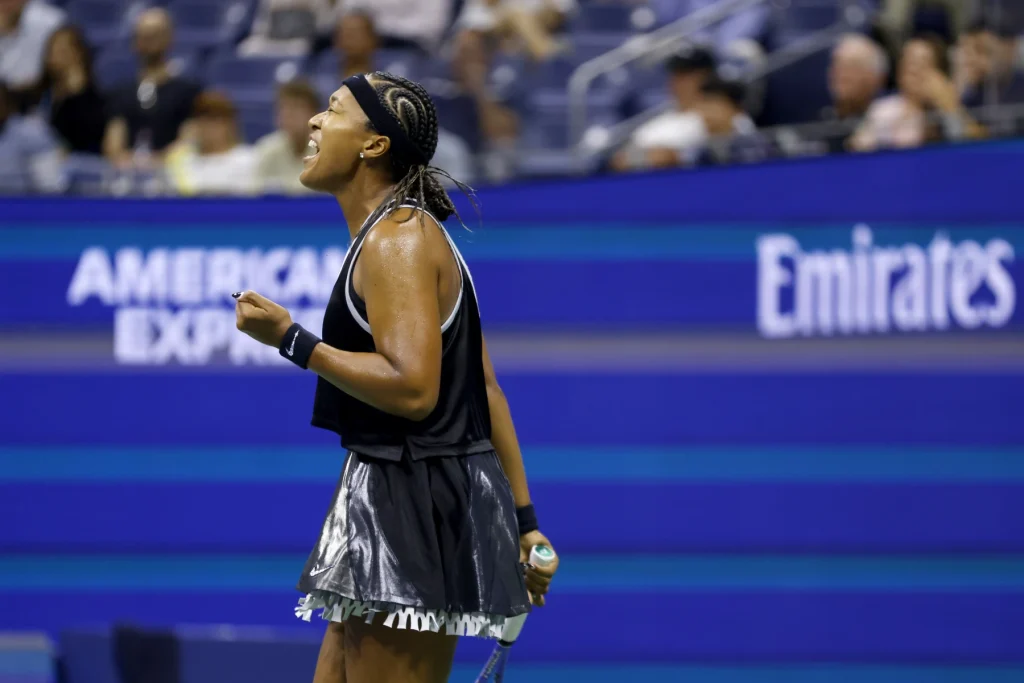
Naomi Osaka defeated Anastasia Zakharova in two tiebreak sets to reach the US Open second round. Osaka won the first tiebreak 8-6 and the second 7-3. The match lasted a little more than two hours and demanded repeated recovery from close service games.
Neither set offered a comfortable lead
Both sets reached a tiebreak, which means neither player created a lasting break advantage before six games each. Osaka had to stay engaged through repeated pressure on serve and return. A straight-sets result can look simple when only the set count is shown, but two tiebreaks describe a match in which every late point carried immediate weight.
Zakharova kept the score level by refusing to let one difficult game decide the set. She made Osaka play another return and another service hold. The challenge for Osaka was to keep attacking without turning impatience into errors. A long opener often tests emotional control before it tests the full range of tactics.
The first tiebreak required extra points
Osaka won the opening tiebreak 8-6. A standard tiebreak needs a two-point margin, so the set continued beyond seven points for the winner. Osaka had to protect the advantage after the score tightened and finish with consecutive useful decisions rather than one hopeful strike.
Taking that set changed the match but did not remove Zakharova. The first set already showed that service holds would be difficult to separate. Osaka needed to begin the second with the same attention instead of expecting frustration to weaken her opponent automatically.
| Match detail | Confirmed result |
|---|---|
| Winner | Naomi Osaka |
| First-set tiebreak | 8-6 |
| Second-set tiebreak | 7-3 |
| Duration | Just over two hours |
| Tournament aim | Third US Open title |
Zakharova forced a second tiebreak
The second set again moved to six games all. Zakharova’s response showed that losing the first tiebreak had not ended her resistance. Osaka could not rely on the earlier set as protection. She needed another sequence of accurate serves, returns and first shots under the pressure of a possible deciding set.
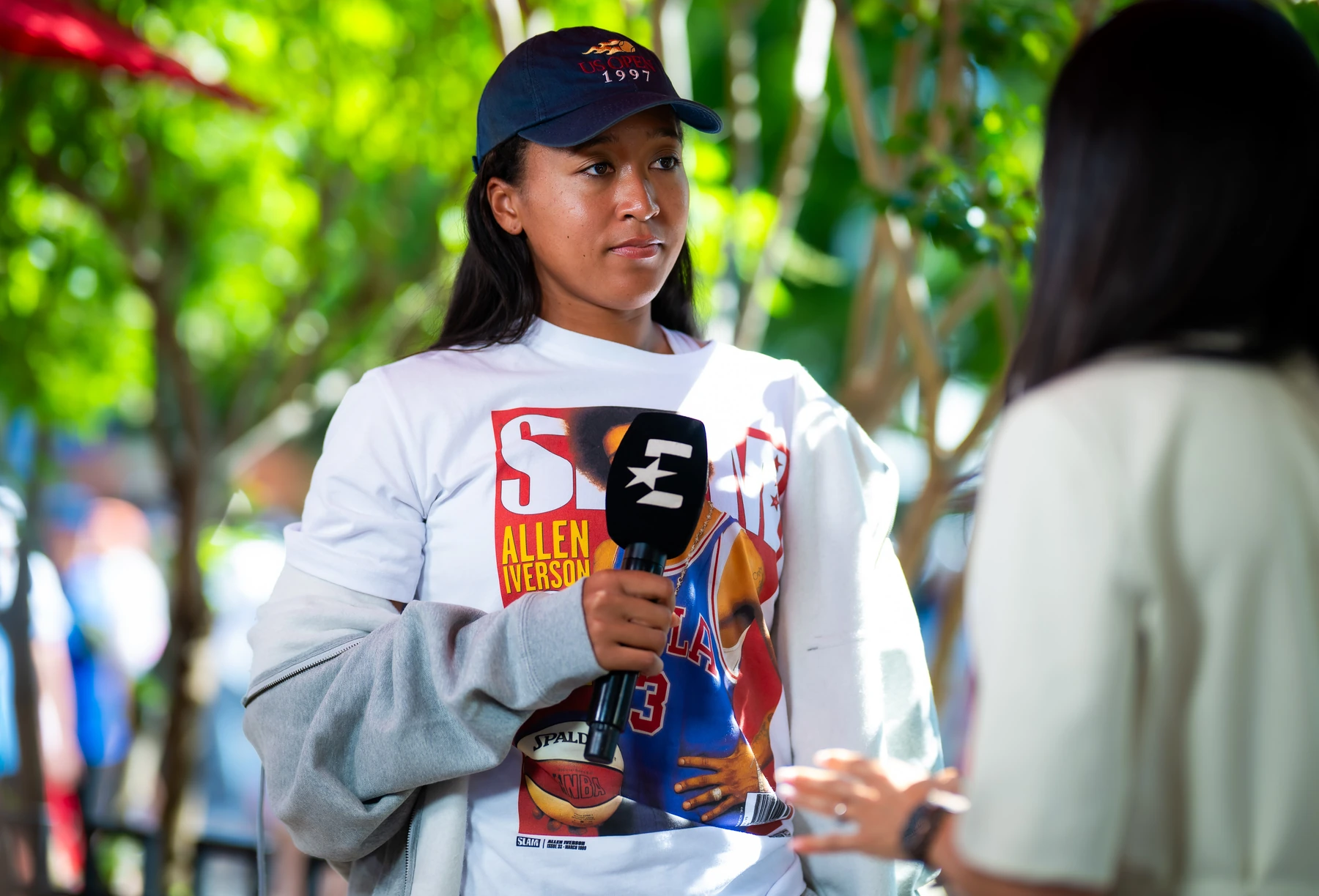
This is where experience at major tournaments can help. The player accepts that a good point may not change the match immediately. Osaka continued to work through service games and reached a second tiebreak rather than forcing a low-percentage finish before the opportunity appeared.
Osaka created more separation in the second tiebreak
The second tiebreak ended 7-3. Osaka built a clearer margin than in the first and used it to close the match without another set. The two tiebreak scores should not be presented as set scores. They explain how each set was decided after the regular games finished level.
Winning both breakers also shows consistency in the highest-pressure parts of the match. One tiebreak can turn on a single return. Two require the player to reset and repeat the process later. Osaka found enough first-strike quality while keeping errors below the level that would reopen the contest.
The long match provides useful lessons for the next round
The contest lasted just over two hours despite ending in two sets. Osaka received a substantial physical test and had time to learn how her movement and serve held up in match conditions. Recovery matters, but so does the confidence gained from solving two tight endings.
She is seeking a third US Open title, yet the first-round win should not be turned into a prediction that the trophy is already close. A major contains several different opponents and conditions. The opener proves that Osaka advanced and handled tiebreak pressure. It does not decide the later rounds.
The final result keeps every score clear
Osaka won in straight sets, with each set decided by a tiebreak. The breakers ended 8-6 and 7-3. Those are the confirmed details available from the completed match. They should not be combined into an invented conventional set score or treated as two separate matches.
Zakharova made the opener demanding, Osaka won the two decisive sequences, and the match ended after a little more than two hours. That clear order preserves the logic of the event. The next article can address the second round when it happens, while this one remains focused on the victory already secured.


