
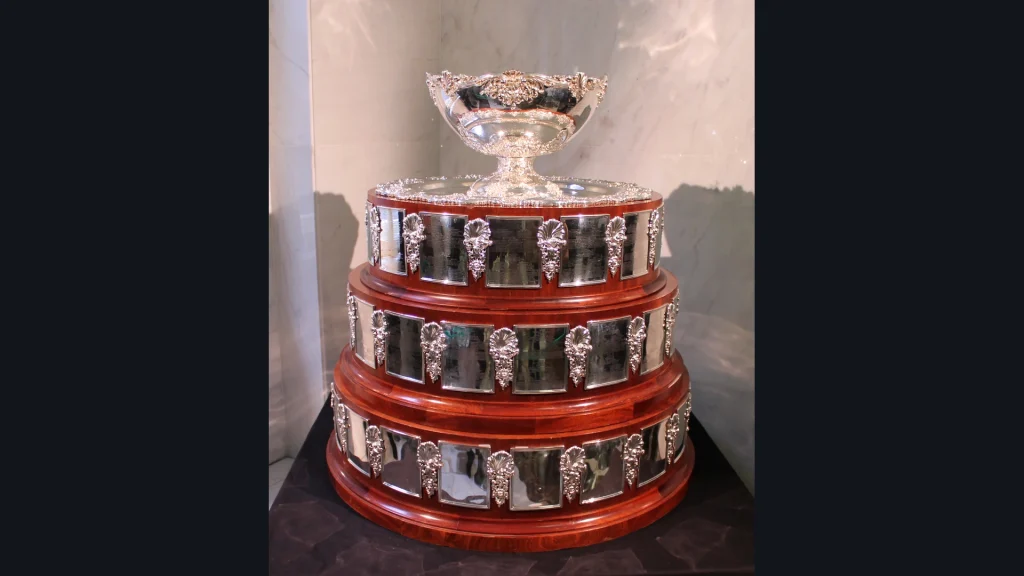
The Davis Cup has highlighted Stan Wawrinka, Alex de Minaur and Holger Rune among the players selected for upcoming World Group action. The home-and-away ties lead toward the 2027 Qualifiers, but captains will make the final match selections.
A weekend of separate national contests
The World Group window is not one central tournament at a single venue. National teams will meet in separate home-and-away ties over the same competition weekend, each with its own court, crowd and local timetable. The common purpose is progression in the Davis Cup structure rather than a shared draw played side by side.
That format makes the announced line-up important while leaving room for later decisions. A squad tells supporters who is available for the weekend. It does not guarantee that every named player will appear in a particular singles or doubles match, because captains must consider fitness, form and the demands of the full tie.
Three familiar names draw attention
Wawrinka, De Minaur and Rune give the World Group window three recognizable singles figures from different national teams. Their presence raises the level of interest around ties that might otherwise be followed mainly by home supporters. Each player, however, enters a team contest in which individual reputation cannot decide every match.
Wawrinka brings long experience, De Minaur offers speed and sustained court coverage, and Rune can impose aggressive baseline pressure. Those broad qualities help explain their value without pretending that a name on a squad sheet is already a result. Each opponent and surface will create a more specific question once play begins.
Captains still control the final choices
Team selection continues after the squads are announced. A captain may prefer one player for the opening singles match and another for a later contest, or preserve an option for doubles. Recovery also matters because a leading singles player may be asked to compete again before the tie has finished.
This is why the squad update should be read as a strong field rather than a completed set of matchups. The available group establishes the choices. The official nominations closer to play establish who takes the court. Keeping those stages separate avoids reporting a likely arrangement as though the captain has already confirmed it.
Doubles changes the shape of a tie
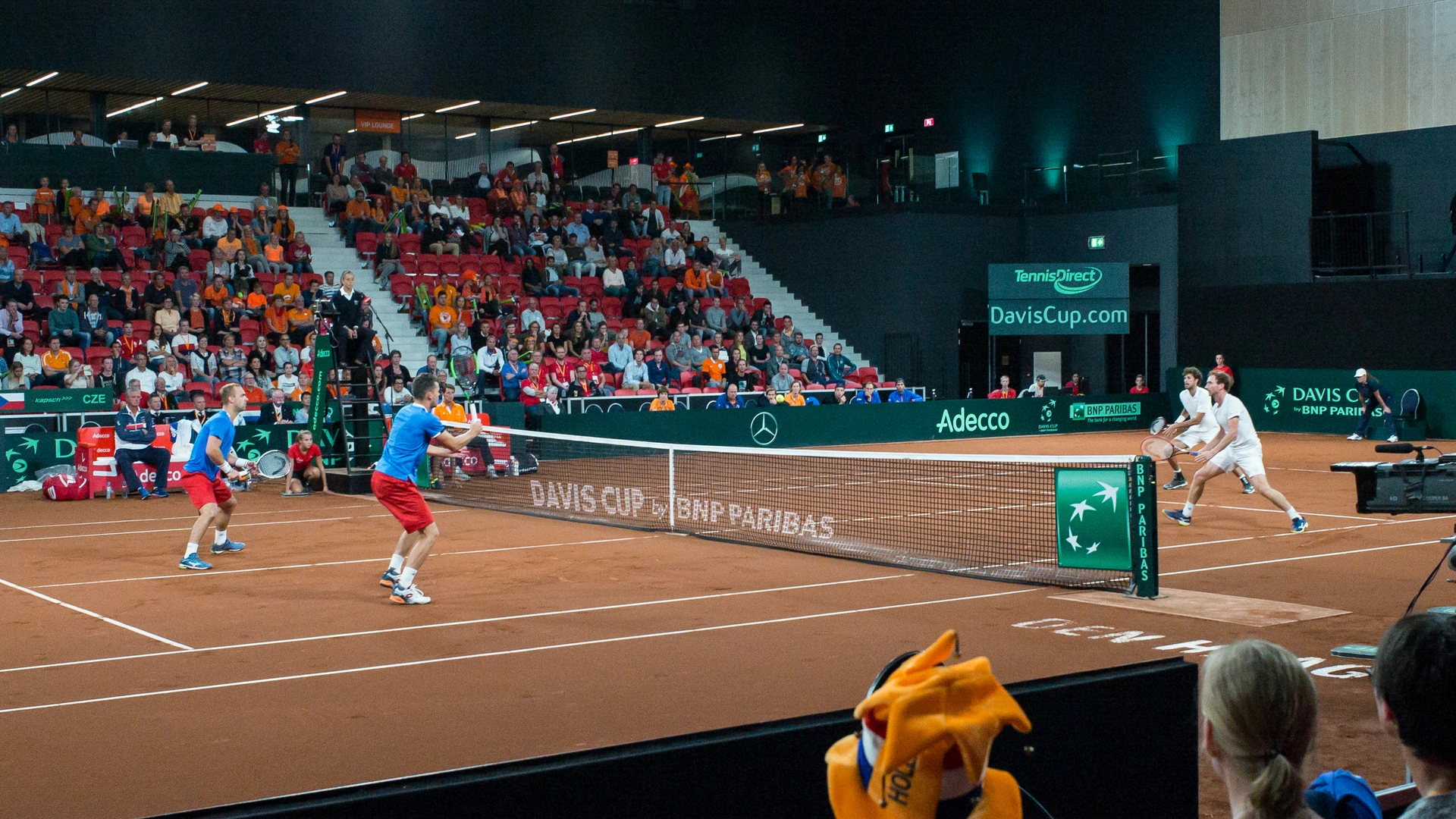
A national side needs more than two capable singles players. Doubles places different demands on return position, movement near the net and communication through the middle. A pair that understands those spaces can alter a tie even when the opposing nation has the more prominent singles name.
Captains must also judge how doubles fits around the rest of the schedule. Using a leading player can strengthen the pair but add physical work before another possible singles assignment. Keeping a specialist combination together can protect energy and clearer roles. The correct choice depends on the score and condition of the team at that time.
Home conditions carry practical value
The host nation can prepare a setting that suits its squad within competition rules. Court speed, bounce and the indoor or outdoor environment influence the value of first-strike tennis, patient rallies and movement behind the baseline. Visiting players must adjust quickly because a Davis Cup weekend offers little time to settle slowly.
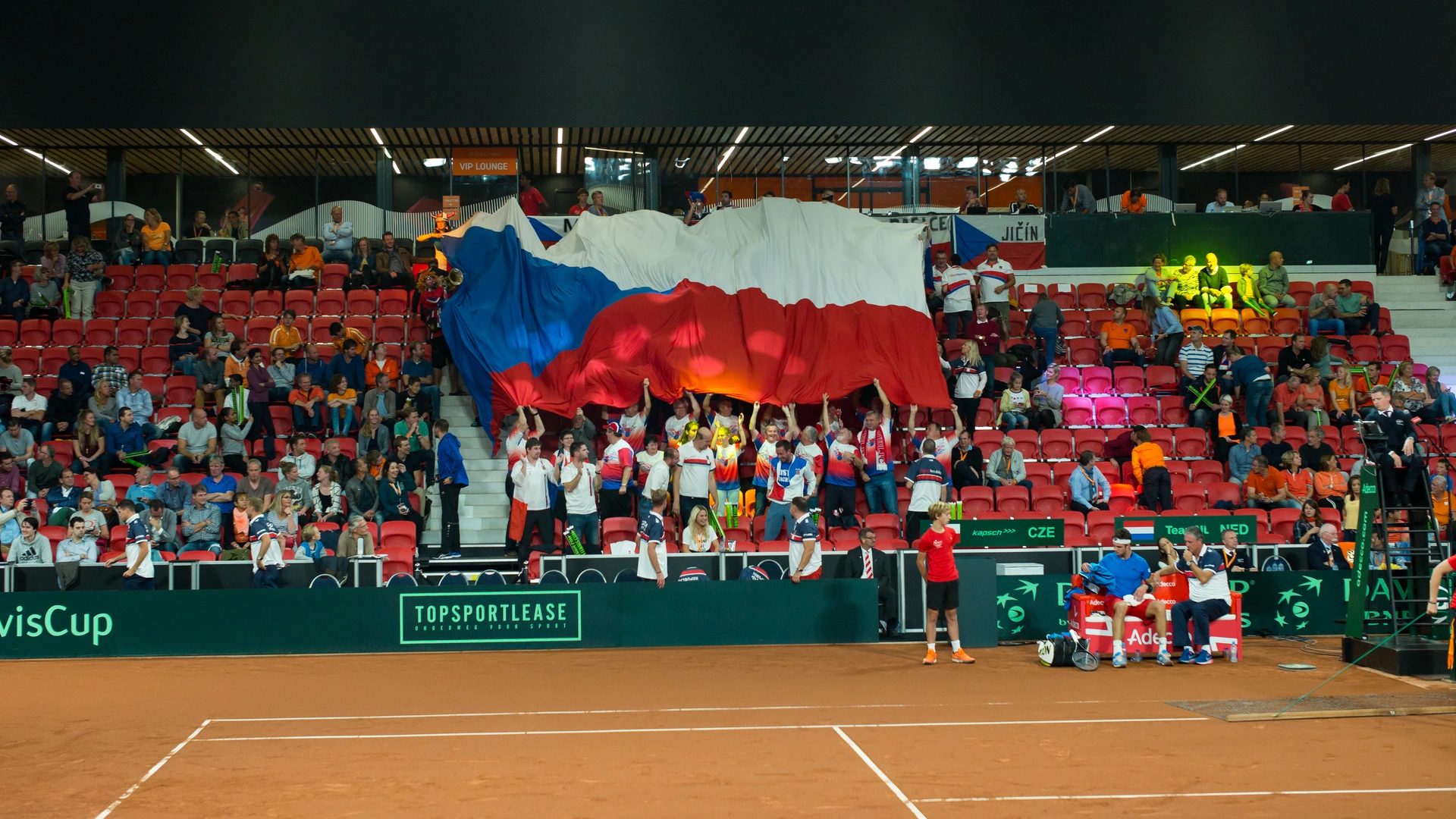
The crowd adds another difference from a regular tour event. Support is directed toward a nation across every match, including doubles, and the noise can rise sharply around important points. Experienced players may be familiar with that pressure, but the team still needs simple routines between points so attention remains on the next exchange.
Progression reaches beyond one tie
World Group I winners move toward the 2027 Qualifiers. The reward therefore extends beyond one successful weekend and gives each tie a clear place in the next Davis Cup cycle. World Group II contests also matter within the wider structure, even though their immediate route is different.
That consequence does not mean teams should look past the present opponent. A route to the Qualifiers only exists after the required tie has been won. The longer view explains the stakes: this stage supplies the competitive step, and the final results will determine which nations can continue on the more direct path.
The results remain ahead
The announced World Group ties have not been played. Wawrinka, De Minaur and Rune are part of the available squads, but none of their possible matches should be described as a win or loss. The current news is the line-up and the route available to successful nations.
Once play starts, the story will move from selection to results one match at a time. Until then, the useful questions concern availability, captaincy choices, court conditions and team balance. The coming weekend can produce surprises because every point belongs to a live contest, not to the profile of the player named in advance.


