
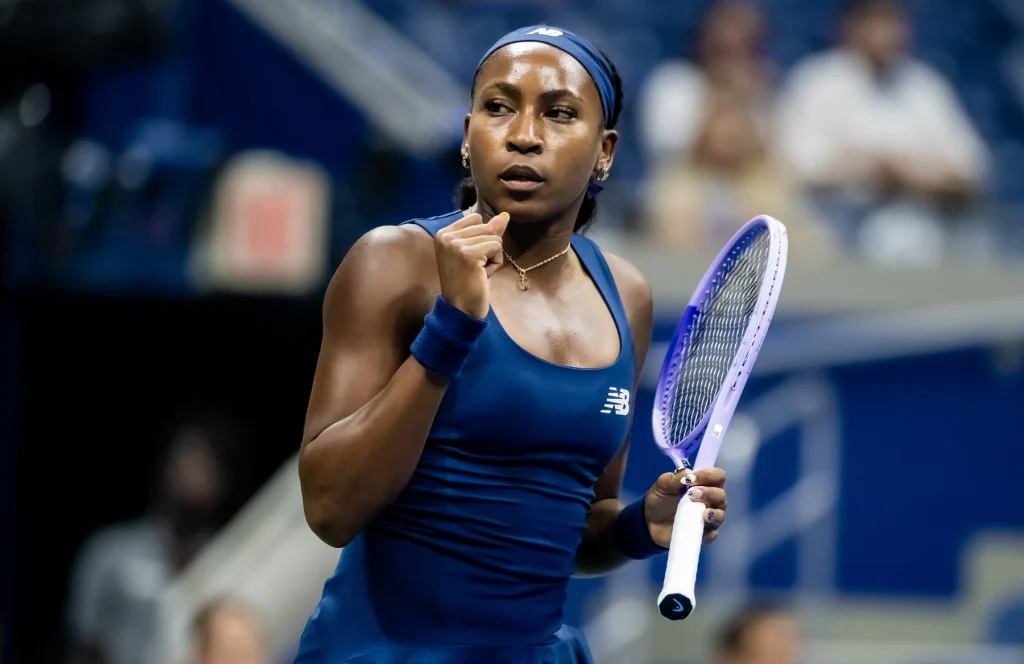
Coco Gauff defeated Zeynep Sonmez 6-3, 6-4 in the first round of the US Open. The match turned late in the second set when Gauff held serve through six deuces and saved three break points. That game protected a level score and allowed her to apply pressure immediately in the next return game.
Gauff created the first advantage without rushing
The opening set rewarded controlled depth rather than constant attempts at a winner. Gauff moved Sonmez behind the baseline and waited for a shorter reply before changing direction. That pattern reduced the number of points decided by one impatient swing. Sonmez still found chances when she stepped inside the court, so Gauff needed to keep the return low enough to prevent an easy first attack.
The long service game became the clearest test
At 3-3 in the second set, Gauff faced repeated pressure across a game that lasted about nine minutes. She saved three break points and eventually held. The value of the hold was larger than one line on the scoreboard because Sonmez had created a real chance to serve for control of the set. Gauff used first serves, patient rally tolerance and a willingness to begin again after each deuce.
| Match detail | Confirmed result |
|---|---|
| Round | US Open first round |
| Winner | Coco Gauff |
| Opponent | Zeynep Sonmez |
| Score | 6-3, 6-4 |
Sonmez made the match competitive through early contact
The Turkish player looked strongest when she took the ball before it rose too high and directed it into open space. That timing prevented Gauff from settling into defence on every point. Sonmez did not need to overpower the American; she needed to shorten the exchange on favourable balls. Her challenge was maintaining that precision after Gauff extended the rally or changed the height of the return.
A hold was followed by immediate pressure on return
After protecting serve, Gauff carried the momentum into the next game instead of treating survival as the end of the problem. A deep return forced Sonmez to begin from a defensive position, and the American took control of the centre. That sequence shows why a difficult service hold can change a set. It removes the opponent’s best opening and places the next important decision on the other side of the net.
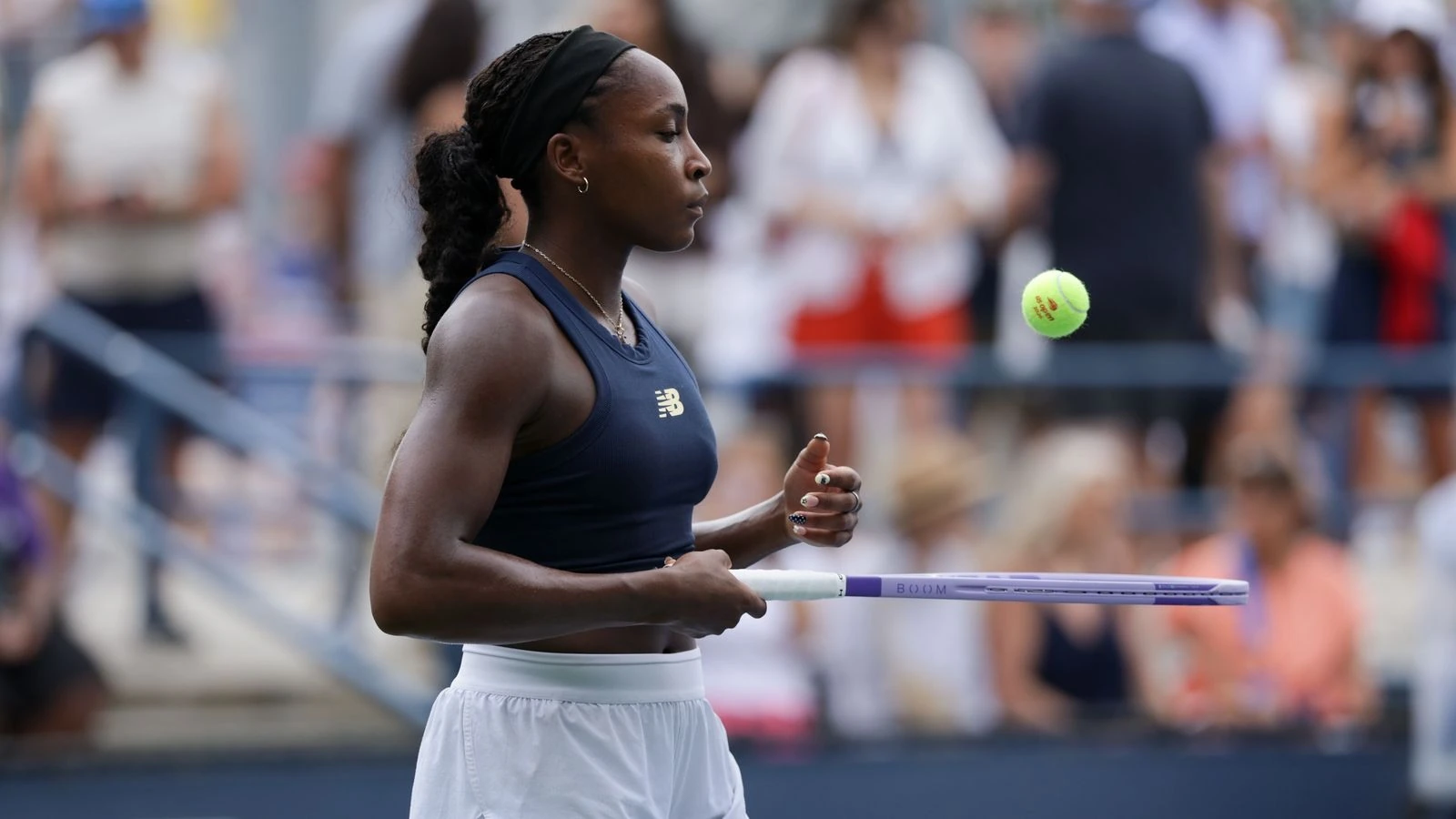
One difficult hold connected the two stages of Gauff’s victory
Gauff won the opening set, then protected the key service game when Sonmez threatened to take control of the second. The long hold did not create a separate result; it preserved the position from which the American could attack again on return. Gauff used that opportunity, completed the match in straight sets and avoided the physical cost of a deciding set in the opening round.
Serving composure matters more than a perfect percentage
A player can miss first serves and still manage a difficult game if the next decision remains calm. Gauff varied placement, accepted longer rallies and did not try to erase the previous error with an unsafe shot. The hold demonstrated problem solving rather than flawless execution. That distinction is important because Grand Slam pressure often arrives through several ordinary points, not one spectacular exchange.
The victory moves Gauff forward with a tested routine
A straight-sets opening win saved time, but Sonmez forced Gauff to use habits that will matter in later rounds. She protected a difficult service game, responded to an opponent taking the ball early and closed the match after the largest pressure had passed. The confirmed result gives Gauff a stable starting point in New York without guaranteeing how the next opponent will challenge her.
Recovery after the match protects the next preparation block
Gauff completed the match in one hour and twenty minutes, which limits court time but does not remove the need for recovery. Hydration, a short cool-down and a review of the difficult service game can prepare the next practice. The useful lesson is not to rebuild the serve after one pressured hold. It is to identify which placements worked and preserve them for the next opponent.


