
The WTA Asian tournament series begins with ten tour-level events spread across seven weeks, moving from Singapore and Seoul toward the larger stops in Beijing and Wuhan before later tournaments complete the run. The schedule is confirmed and has not yet produced its winners, so this guide does not describe future champions as facts. Its importance comes from timing: players must adapt quickly after the US Open, manage travel and decide where ranking points are worth the physical cost during the final push toward the WTA Finals.
Singapore and Seoul offer different routes into the Asian tournament series
Singapore enters the calendar as a WTA 500 with a compact bracket and a stronger points opportunity. Seoul operates at WTA 250 level and offers a different field, route and reward structure.
Players choose events through eligibility, ranking and scheduling rather than simply selecting the easier bracket. The first week can establish confidence, but it can also add fatigue before the larger tournaments that follow. Singapore and Seoul begin the series with different tournament levels and bracket sizes. A player may value the larger points reward in Singapore or choose the route that best fits her entry status and recovery. The decision should reflect the full schedule rather than an assumption that one opening week will be easier.
Back-to-back WTA 1000 events increase the workload
Back-to-back WTA 1000 events offer major points and bring most of the leading players into the same part of the calendar. Reaching the later rounds of the first tournament leaves little recovery time before the next bracket begins.
Teams must decide how much practice is necessary and when rest will improve performance more than another session. The challenge is not only winning matches but preserving serve speed, movement and decision quality across several weeks. Beijing and Wuhan place two major tournaments close together, so a deep run in the first leaves little time before the second begins. Training volume may need to fall as match load rises. Serve speed, movement and concentration can reveal fatigue before the result alone makes the problem obvious.
| Phase | Main demand |
|---|---|
| Singapore and Seoul | Fast adaptation after the US Open |
| Beijing and Wuhan | Back-to-back WTA 1000 workload |
| Later events | Final points and schedule choices |
| WTA Finals race | Balance opportunity against recovery |
Travel between cities changes the recovery plan
The swing crosses cities, time zones and playing environments while remaining mostly on hard courts. Similar surface labels do not mean identical speed, ball response or indoor conditions.
Arriving early enough to adjust can matter, but extra days away also increase the total physical workload. Experienced teams build flexible plans around the actual finish date of the previous event. Travel planning must account for the actual day a player leaves the previous event. A finalist and an early loser reach the next city with different recovery needs. Teams can prepare several versions of the schedule, then choose the one that matches completed results instead of following a fixed calendar.
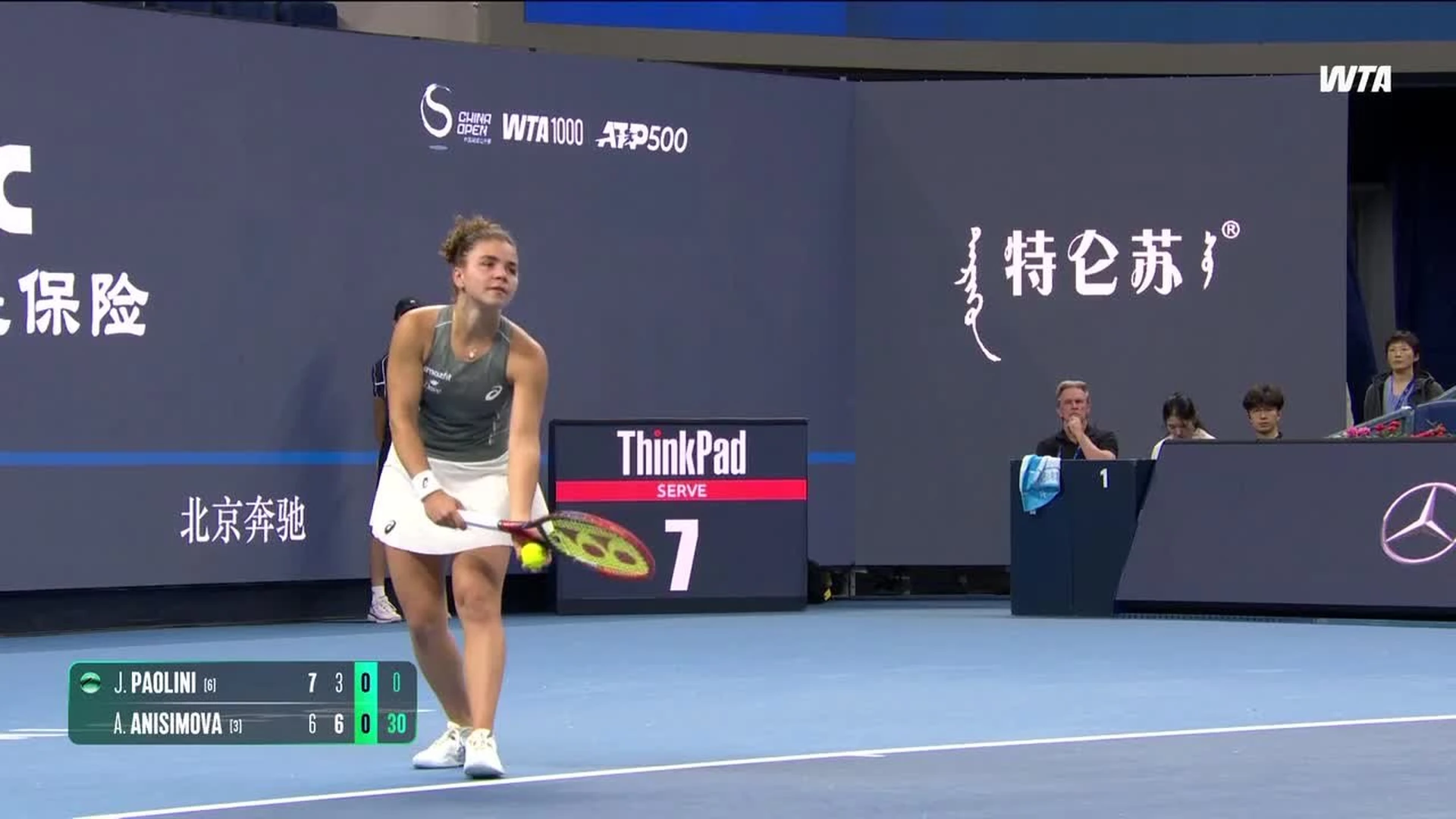
Qualification for the WTA Finals adds importance to every round
Players near the qualification line can gain or lose ground through several levels of tournament. A first-round result at one event may change the value of entering another week or taking recovery time.
Race points are useful context, but they should not turn every match into a calculation that ignores the opponent. Good planning creates the chance, while the player still has to solve the immediate tactical problem on court. The qualification race for the WTA Finals makes each win important, but points are not the only cost in the decision. Entering another event may help the ranking while reducing the level available at a larger tournament. Players and coaches must compare the immediate opportunity with the condition required for later weeks.
Tournament size changes the number of matches required
Singapore uses a smaller singles bracket, while the biggest events require more rounds and often include first-round exemptions for leading seeds. A first-round exemption reduces one match but can also delay competitive rhythm after travel.
Unseeded players may face a top opponent early and still gain useful ranking movement with one strong result. The bracket should be analysed after publication instead of assuming a route from the entry list alone. A smaller bracket reduces the number of wins needed for the title, while a first-round exemption changes when a leading player begins. Neither removes the danger of a strong early opponent. The published bracket, recent workload and surface speed provide a more reliable guide than tournament level alone.
The schedule is confirmed, but results and final brackets remain open
Dates, levels and announced fields are confirmed, while withbracketals and final brackets can still change. No article written before play should state that a particular player has won or reached a round that has not occurred.
The reliable way to follow the tournament series is to update each event from official brackets and completed scores. That approach keeps the wider race accurate without sacrificing the detail of individual matches. Dates and tournament categories are confirmed, while final brackets, withdrawals and results can still change. Each update should come from the official tournament information after it is published. That keeps the series accurate and prevents an entry list from being mistaken for a completed match or guaranteed route.