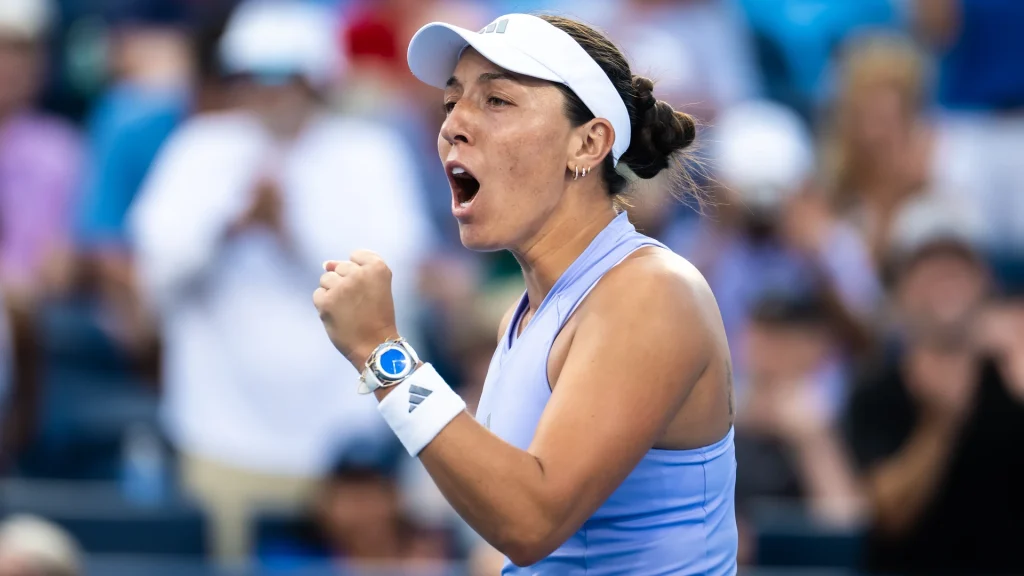
Jessica Pegula has withdrawn from the Singapore Tennis Open after one of the busiest and most productive hard-court stretches on the WTA Tour. She reached finals in Washington and Cincinnati, made the Toronto round of sixteen and advanced to the US Open semifinals. The decision removes the world No. 3 from a tournament where she would have been a leading attraction, but it also reflects the recovery cost of repeatedly reaching the closing rounds at major events.
Reaching several finals leaves less time for recovery
A player who loses early can leave a tournament, recover and begin the next preparation block. A player reaching a final performs through several match days, completes media and recovery duties, then travels with little separation before the next event. Pegula’s record across the swing meant that her body and attention were repeatedly required at the end of the week.
The total cannot be judged only by match count. Long three-set contests, heat, practice and treatment all add stress. A successful run can therefore make the following entry less sensible even when no major injury has been announced. Withdrawing before the tournament allows organizers to adjust the field and gives the player a cleaner recovery plan.
Pegula’s results depend on precise footwork and early contact
Pegula’s best hard-court tennis relies on early contact, compact swings and the ability to redirect pace without needing a large preparation. Those qualities help her take time away from an opponent. They also require precise footwork. When fatigue delays the first step, a normally simple strike can become a defensive ball hit from a crowded position.
Rest protects that precision. It is not an admission that the successful pattern has failed. Pegula has already collected fifty tour wins and leads the season in that category, evidence of both quality and a substantial workload. The aim is to preserve the mechanics that produced those results rather than continue until the movement that supports them begins to decline.
| Pegula’s hard-court stretch | Result |
|---|---|
| Washington | Final |
| Toronto | Round of sixteen |
| Cincinnati | Final |
| US Open | Semifinal |
Pegula’s withdrawal changes the Singapore draw
Mirra Andreeva moves into the position of top seed for the event scheduled from September 21 to 27. Seeding changes the draw structure but does not automatically make the tournament predictable. Players originally preparing to face Pegula may meet a different style, while the new leading seed carries expectations that were not attached to the same degree before the withdrawal.
The tournament can still offer a strong week if the replacement and remaining field receive clear promotion. A withdrawal should not lead every conversation to describe the players present as a reduced product. Their opportunity is real: ranking points, a title and a chance to defeat opponents navigating the same late-season demands.
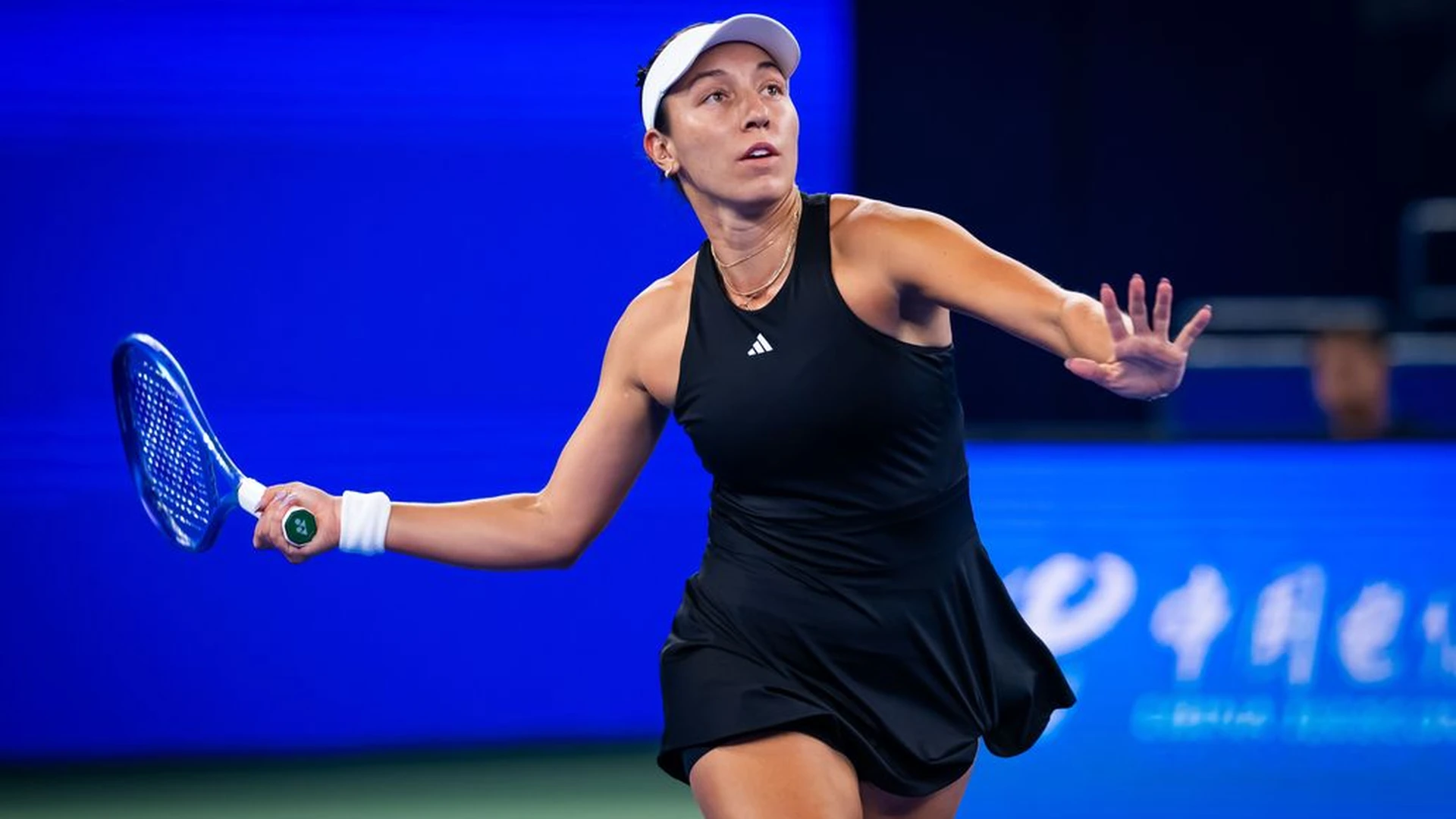
Pegula’s next plan still includes Beijing
The current update keeps Pegula on course for the China Open rather than ending her Asian swing. That distinction suggests schedule management rather than a broad withdrawal from competition. The additional recovery time can be used for treatment, light practice and travel without compressing every task into a few days.
Plans can still change if the body does not respond as expected. The sensible approach is to evaluate each stage rather than treating a listed entry as an obligation. Returning at full movement is more valuable than appearing because a calendar was announced weeks earlier.
Skipping one tournament can protect later results
Top players are often evaluated only when they stand on court, but choosing where not to play can shape the next month. Pegula has already demonstrated hard-court form against strong fields. A short pause may help that level survive through the remaining major events and the race toward the season-ending Finals.
Singapore understandably loses a headline name, while Andreeva and the rest of the field gain a different competitive opening. Both truths can exist without drama. Pegula’s withdrawal is a practical consequence of sustained success, and the tournament now has to tell the story of the players who arrive ready to use the opportunity.
Recovery includes attention as well as the body
A long swing demands constant scouting, travel decisions and public obligations in addition to matches. Mental fatigue can appear as slower choices even when movement still looks normal. A short break gives Pegula time to step away from immediate opponent preparation and return with a clearer view of the patterns that worked across the North American events.
That review should remain selective. Reaching two finals and a major semifinal shows that Pegula’s main playing patterns are working. The team does not need to rebuild her game during a short recovery period. Small work on serve locations, return position and movement efficiency can preserve continuity without turning rest into another full training block.