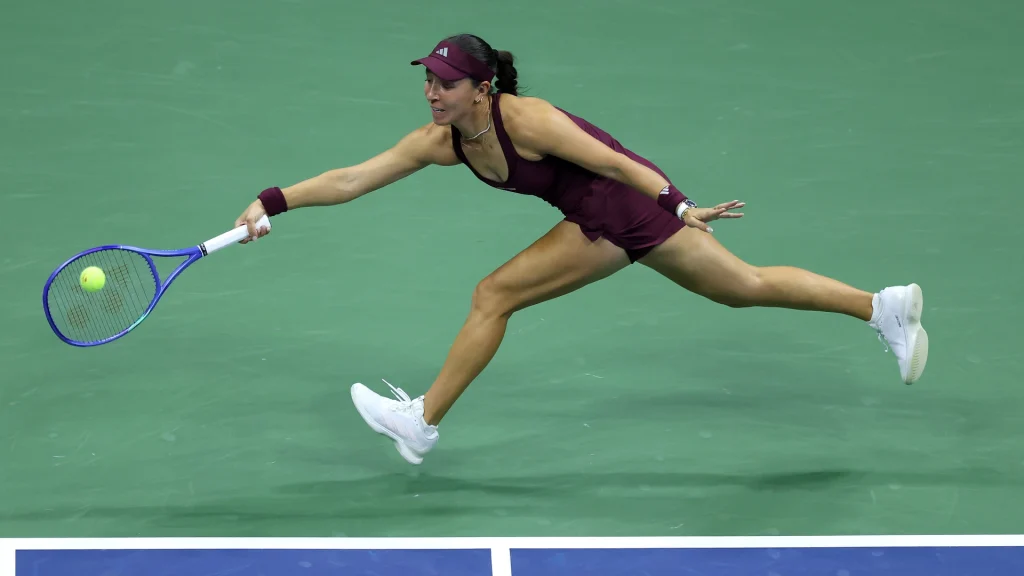
Jessica Pegula has withdrawn from the Singapore Tennis Open, explaining that she is not ready to compete at her expected level after a demanding American hard-court stretch. The decision is confirmed and shifts the planned top seed position to Mirra Andreeva. Pegula reached finals in Washington and Cincinnati, made the Toronto round of 16 and advanced to the US Open semifinals during a 15-4 run. Missing one event therefore reflects workload management rather than a vague future possibility.
The summer brought ranking points and heavy physical workload
Pegula reached the later rounds of several major events and repeatedly moved from match recovery into preparation for the next city. A 15-4 record shows strong form while also indicating how many competitive sets Pegula played.
Travel, practice and media duties add physical workload that is not visible in the match count. Recovery decisions should consider the complete series of tournaments rather than only whether the most recent match caused an injury. Pegula’s recent record reflects both strong performance and repeated late-round workload. A final requires several matches before the trophy is decided, and travel begins again soon afterward. The total demand includes practice, treatment and media work, not only the hours shown in the official match statistics.
The withdrawal gives Pegula time to recover properly
Pegula said she was not ready to compete at the level she expects from herself. That distinction matters because a player can be medically able to play and still lack the recovery needed for elite movement and concentration.
Entering below the desired level can prolong fatigue and reduce the value of later training. Choosing rest now may create a better chance to return with normal patterns rather than survive another week at reduced quality. Missing Singapore gives Pegula a clear period for rest, treatment and a gradual return to normal training. Recovery can be measured through movement, serve load and the response on the following day. That process is more useful than entering another event before she can compete at the level she expects.
| Recent hard-court stop | Pegula’s result |
|---|---|
| Washington | Final |
| Toronto | Round of 16 |
| Cincinnati | Final |
| US Open | Semifinal |
Pegula’s withdrawal changes the Singapore seeding
Pegula had been expected to lead the participant list before confirming her withdrawal. Mirra Andreeva now moves into the leading position among a draw that still includes Amanda Anisimova and Alexandra Eala.
A changed top seed can alter bracket placement, but the final tournament bracket must still be published before any route is assumed. Other players gain opportunity without being granted an easy tournament. The absence changes the expected seeding order but does not decide the tournament for the remaining players. Andreeva moves into the leading position, while every participant still needs to solve her own bracket. A revised seed can change placement without creating an automatic path to the title.
Pegula remains in a strong position for WTA Finals qualification
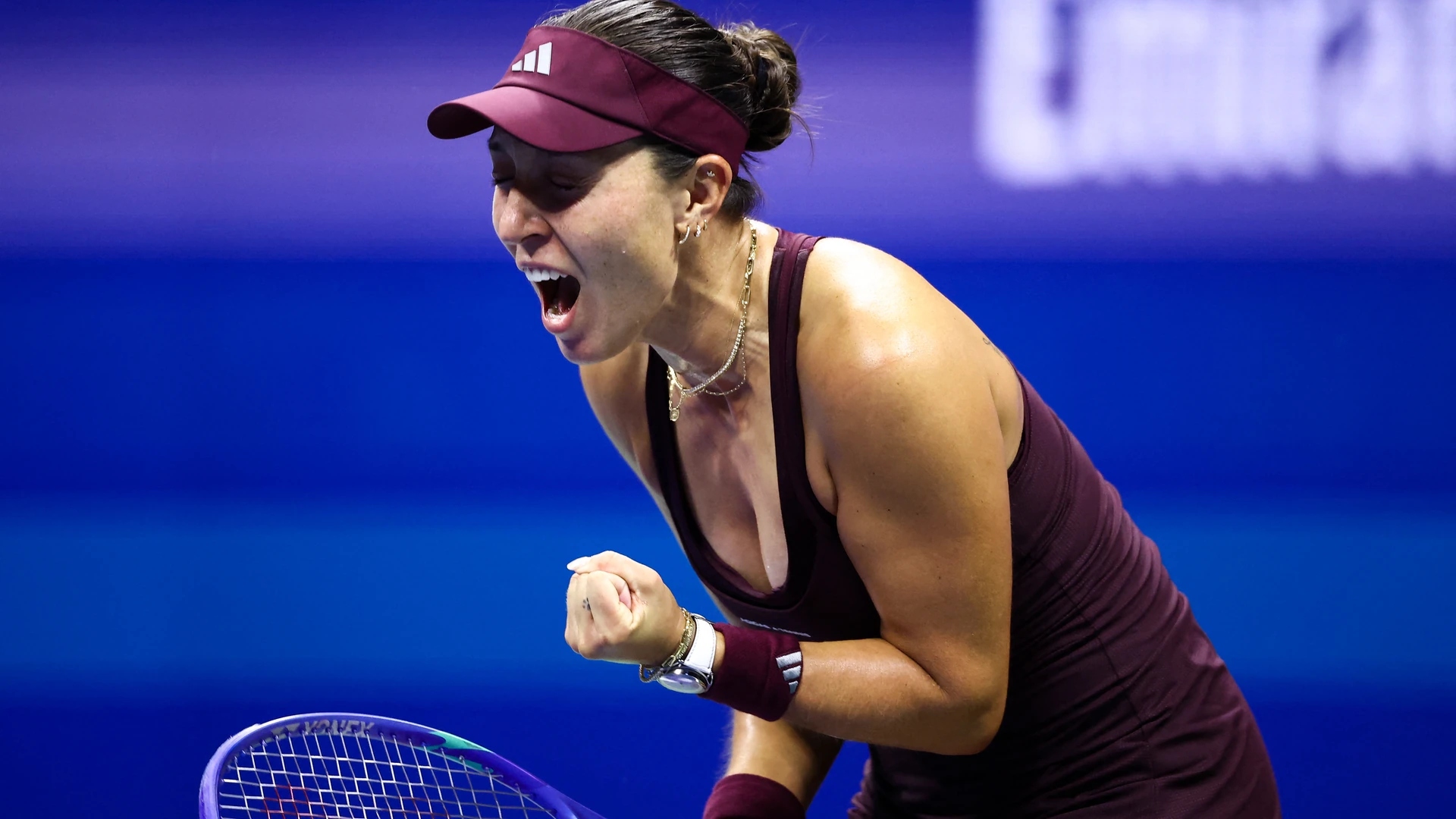
Pegula is high in the Race to the WTA Finals after reaching 50 wins for the season. Her existing position gives the team room to consider health rather than treating every available event as compulsory.
Points still matter, but a tired player may gain less from one extra start than from arriving stronger at a larger tournament. The decision should be evaluated across the whole Asian tournament series rather than through the points left in Singapore alone. Pegula’s position in the WTA Finals race gives her more room to protect recovery. Existing points cannot remove all pressure, but they reduce the need to treat every available start as compulsory. The decision can be judged by her condition across the entire Asian tournament series.
Pegula still plans to play in Beijing
Pegula is still scheduled for the China Open later in the month. That plan can provide a defined recovery window before another WTA 1000 tournament.
Scheduled participation is not the same as a guaranteed appearance because readiness must be checked closer to the event. Official updates should guide any later article and prevent the current plan from being repeated as a final fact if conditions change. Beijing remains part of Pegula’s current plan, but planned participation is not the same as a guaranteed return. The team can reassess after the recovery period and confirm the entry closer to the event. A later status update should replace the present plan if her condition changes.
The withdrawal is confirmed, while the return date remains open
The withdrawal has happened and Singapore will proceed with a revised participant list. There is no need to invent an injury diagnosis or describe the choice as uncertainty.
Pegula’s own explanation, recent workload and changed seeding provide enough confirmed context. The next reliable update will concern her return to competition, and that should be reported only when officially confirmed. The confirmed fact is the Singapore withdrawal and the resulting change to the participant list. No diagnosis has been announced, so one should not be invented. The next reliable development will be an official return decision supported by Pegula’s readiness rather than an estimated date repeated as fact.