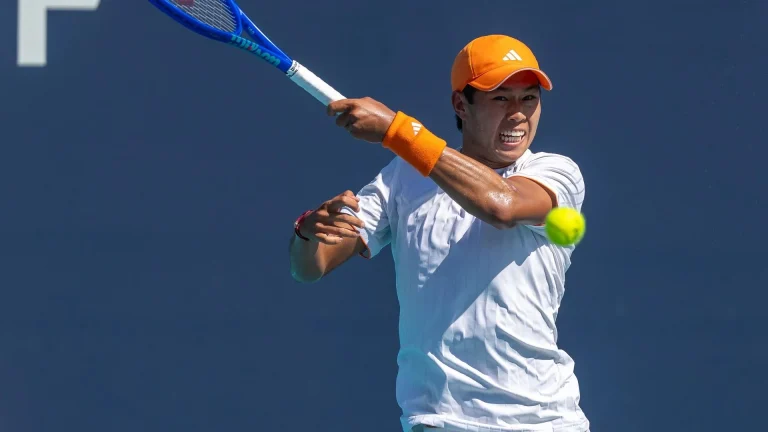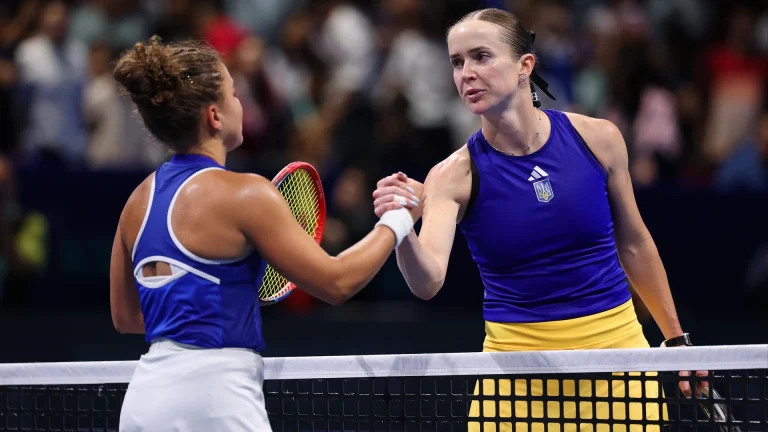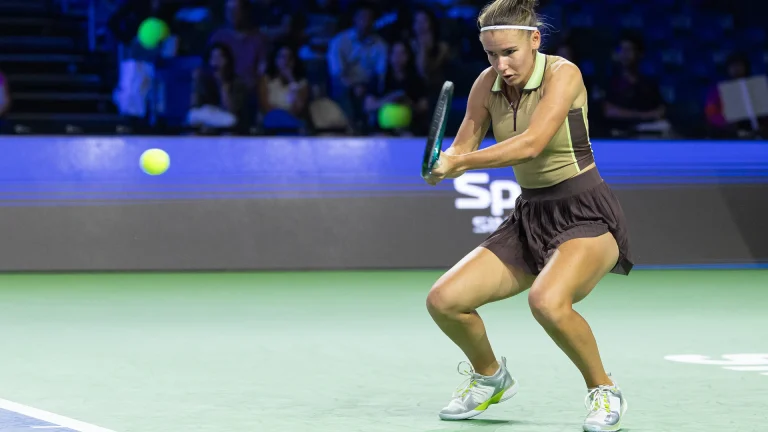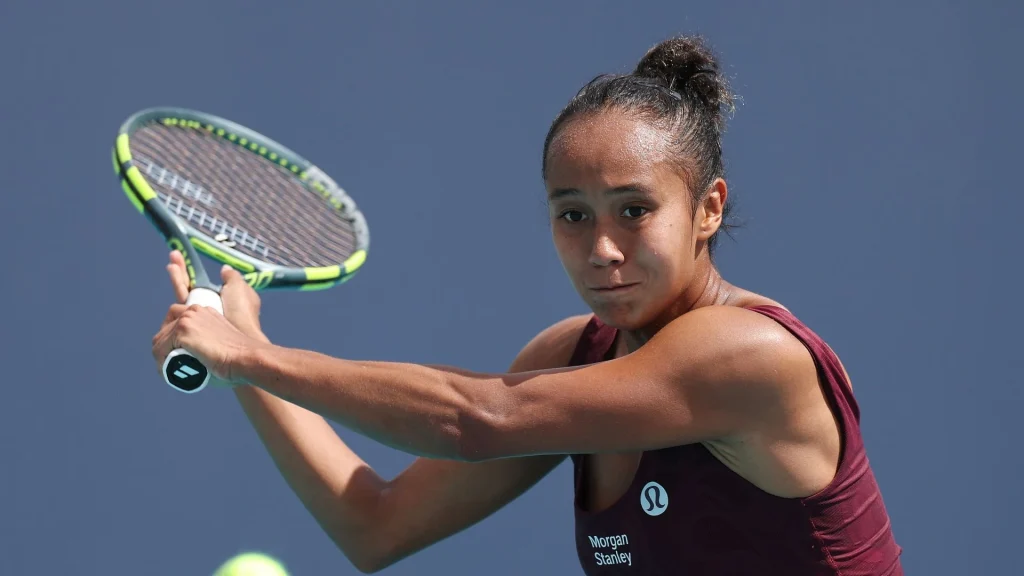
Leylah Fernandez completed a title-winning weekend in Singapore after recovering from a one-sided first set in the semifinal. She beat Maja Chwalinska 1-6, 6-4, 6-2, then defeated Talia Gibson 7-5, 6-0 in the final to claim the sixth WTA singles title of her career. The semifinal remains the clearest tactical test because Fernandez had to rebuild the match before she could reach the trophy match.
Chwalinska controlled the first set
A 6-1 opening set indicates more than a few unlucky points. Chwalinska controlled the early exchanges, kept Fernandez from settling behind the baseline and repeatedly forced the Canadian to hit from difficult positions. Fernandez was often reacting to the direction of the rally instead of deciding it.
The score also created a test of concentration. A player can chase a complete solution and begin forcing low-percentage shots, or identify one pattern that can be changed immediately. Fernandez chose the second route. She did not need to erase the first set from the record; she needed to stop it from describing the next one.
Fernandez changed the rallies in the second set
Fernandez improved the depth of her serve return and gave Chwalinska less time after the serve. Deeper balls changed the Polish player’s contact point and made the next angle harder to create. The rallies became more neutral, which allowed Fernandez to use her speed and take the ball earlier when a shorter reply arrived.
The 6-4 score shows that the recovery was competitive rather than effortless. Fernandez still had to win her service games under pressure and accept that not every aggressive return would land inside the court. The important change was the balance of the set. Chwalinska could no longer expect the first useful attacking ball to appear automatically.
| Part of the match | Fernandez | Chwalinska |
|---|---|---|
| Score in the first set | 1 | 6 |
| Score in the second set | 6 | 4 |
| Score in the deciding set | 6 | 2 |
| Match duration | 2h 08m |
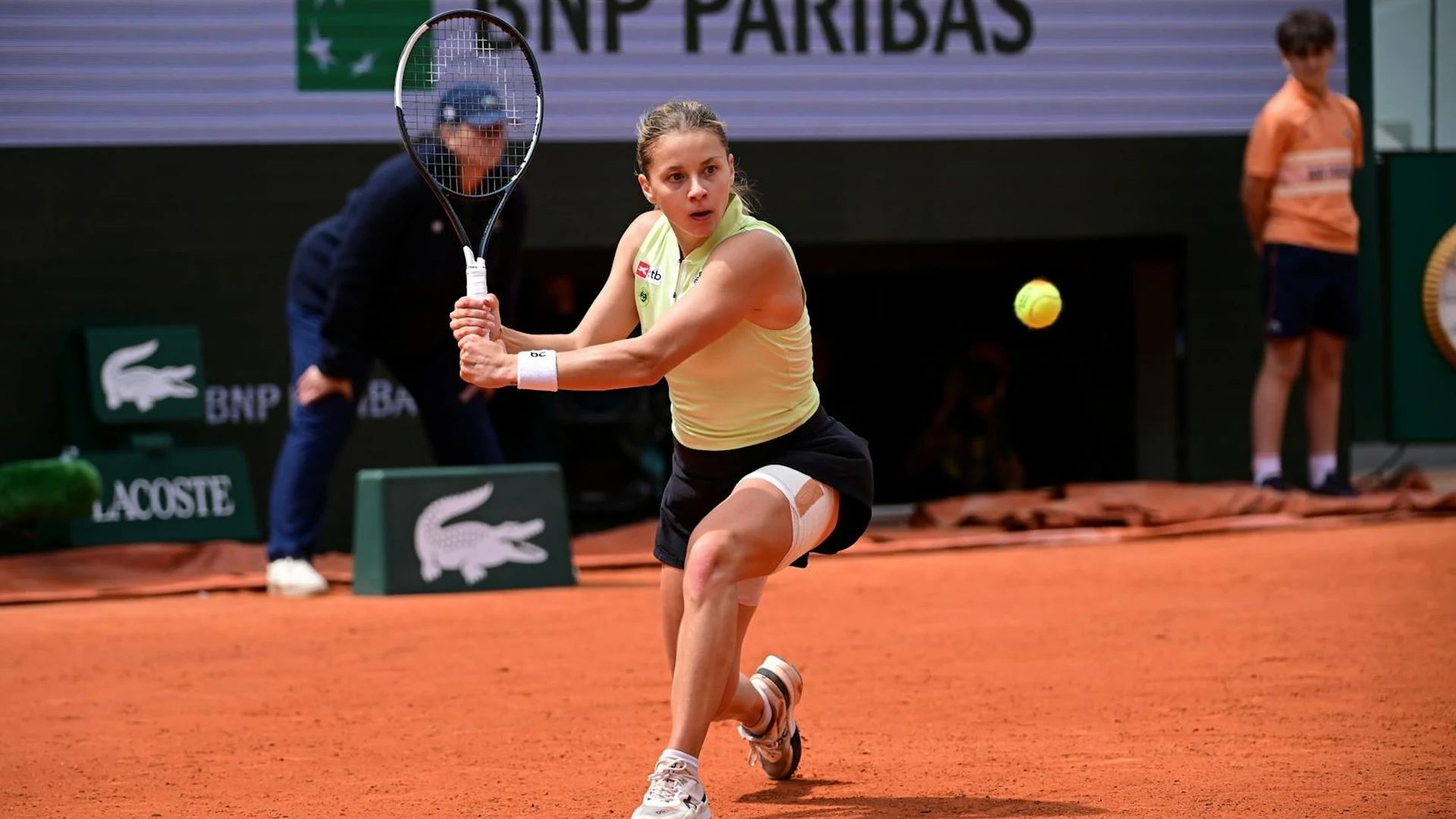
Fernandez kept control throughout the final set
By the third set, Fernandez had evidence that her revised receiving position was working. She could commit to that position without returning to the unsuccessful first-set plan. Chwalinska faced the opposite problem: the patterns that created the early lead were now producing fewer short balls and more physical rallies.
Fernandez won the final set 6-2 by maintaining pressure after winning a game on Chwalinska’s serve. That is often the hardest part of a comeback. Drawing level creates relief, but the match still requires another sequence of disciplined choices. Fernandez did not treat the turnaround as complete until the final point.
Hard courts continue to suit Fernandez
Fernandez entered the match with five WTA singles titles, all earned on hard courts. Singapore’s surface supports her ability to redirect pace and attack a second serve, but the semifinal showed that surface preference alone does not protect a player from a poor start. Tactical adjustment remained necessary.
Her movement is most effective when it supports an attacking contact rather than an endless defensive chase. Once the return depth improved, Fernandez could use her legs to step into the court and close space. That combination is more sustainable than relying on recovery speed after every ball.
The semifinal adjustment carried into the title match
Fernandez did not need another three-set recovery in the final. She defeated Talia Gibson 7-5, 6-0 and won the last nine games of the match. The first set still demanded patience, but once Fernandez took control of the receiving exchanges, she stopped the Australian from rebuilding momentum and moved through the second set without conceding a game.
The title gives the semifinal comeback a clearer value. Fernandez did not merely survive one difficult match; she identified a receiving position and rally tempo that remained useful in the final. Chwalinska also leaves with evidence that her early structure troubled the eventual champion. Across the weekend, the difference was Fernandez’s ability to turn an adjustment into a repeatable plan. Fernandez’s comeback depended on shortening the period between a mistake and the next clear decision. Chwalinska could still disrupt rhythm with height and direction, but the Canadian stopped answering every change with extra pace. Fernandez used safer depth to regain court position and attacked only when the shorter ball arrived. The final confirmed that this was more than a temporary repair: the same calm receiving position helped her control Gibson and finish the tournament with a title. Fernandez also protected the comeback by refusing to chase a spectacular point-ending shot on every short ball. She first moved Chwalinska beyond a comfortable contact point, then attacked the space created by that movement. The sequence proved repeatable in the title match, where she won the last nine games against Gibson.