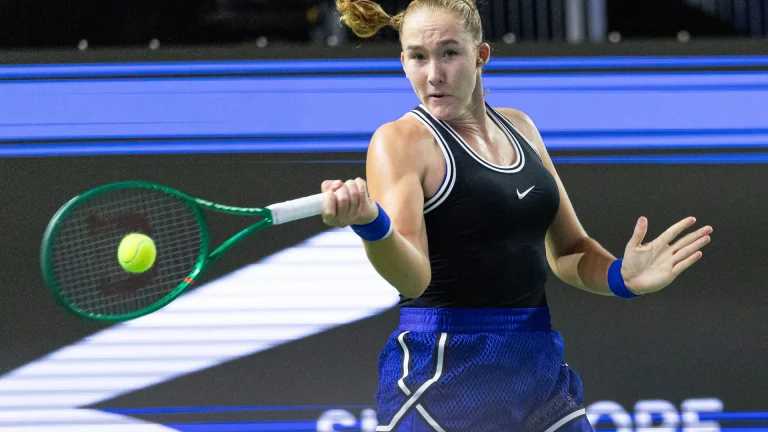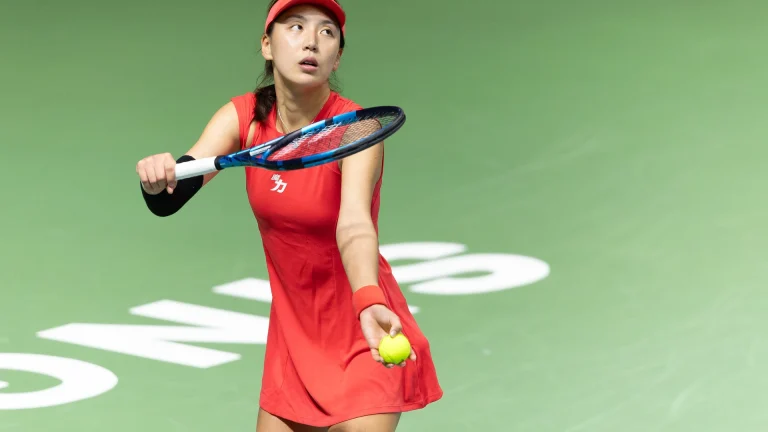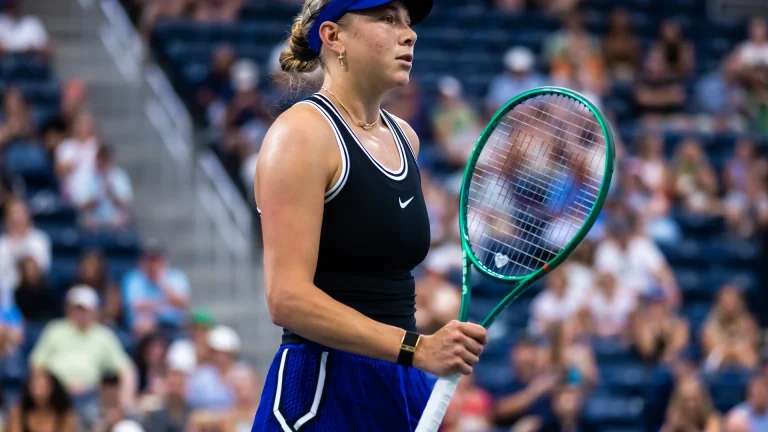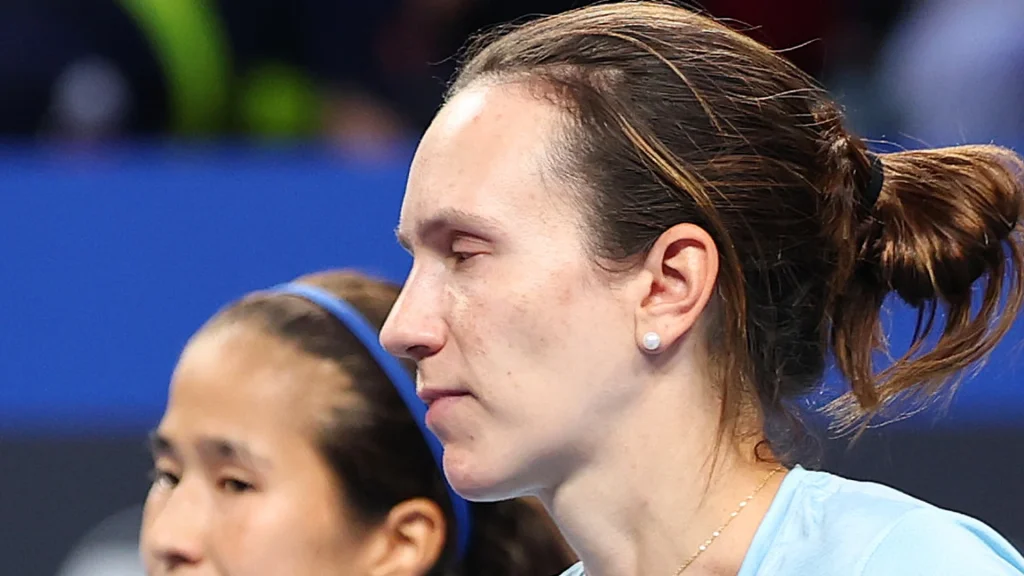
Spain defeated Kazakhstan 2-1 in Shenzhen to reach the Billie Jean King Cup semifinals for the first time since 2008. Jessica Bouzas Maneiro won the opening singles, Kazakhstan levelled through Yulia Putintseva, and Cristina Bucsa joined Sara Sorribes Tormo to secure the deciding doubles.
Bouzas Maneiro gave Spain a stable beginning
Her 6-2, 6-2 victory over Sonja Zhiyenbayeva placed Spain one match from the semifinal without requiring the team to recover from an early deficit. Bouzas Maneiro’s opening win gave Spain room to absorb a later singles defeat. Her depth kept Zhiyenbayeva behind the baseline and prevented the first match from becoming an emotional drain on the rest of the team. The score of a team tie can hide the work inside individual games. Spain’s 2-1 win depended on saving break points and protecting service positions at the precise moments when Kazakhstan was close to taking control.
The clear score came from repeatable depth and pressure rather than constant attempts at a quick winner. Team competition gives the bench a visible role. Clear information between points and calm reactions after missed chances can help the players reset, while excessive instruction risks adding another decision during a fast exchange.
Putintseva kept Kazakhstan alive
She defeated Bucsa in three sets and changed the tie from a Spanish lead into a decisive doubles contest. Czechia will bring a deeper and differently balanced line-up in the semifinal. Spain cannot assume that the same singles order or doubles pattern will produce identical matchups against new serve and return combinations.
Her response showed why team tennis can change direction even after one nation controls the first match. Putintseva’s response changed the tie without erasing Spain’s earlier work. By beating Bucsa in three sets, she forced both captains to prepare for doubles under immediate pressure rather than through a planned exhibition-style pairing.
Bucsa reset quickly for the deciding doubles
After losing in singles, she partnered Sorribes Tormo and had to reset quickly for a format built around shared positioning. Bucsa then had to separate disappointment from the next tactical job. Doubles demanded different movement, shorter reactions and constant communication with Sorribes Tormo, leaving little value in replaying the singles result.
The ability to separate the two matches became as important as any technical adjustment. The quarterfinal’s main lesson is emotional as well as technical. Spain won after the tie moved from a clear opening result to a three-set setback and then to a tense doubles finish, showing that each match could be treated as a separate task.
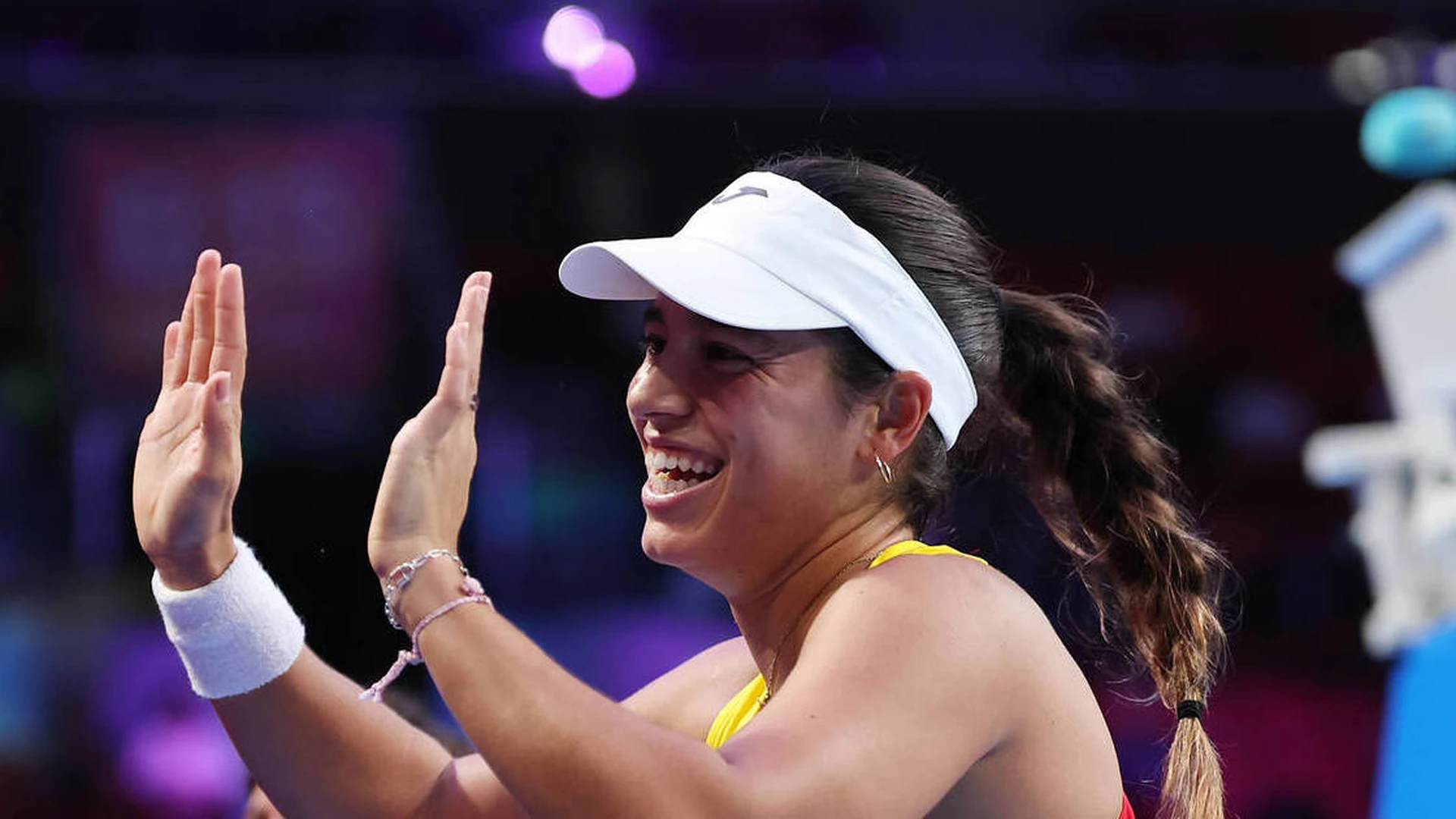
Kazakhstan created chances in the second set
The Kazakh pair produced many break opportunities and extended one service game for 17 minutes. Doubles selection also preserves tactical flexibility. Sorribes Tormo’s point construction and Bucsa’s ability to redirect pace gave Spain two different responses within one pair rather than two players attempting the same ball.
Spain survived those moments and won the set 7-5 because the team protected the most important points more efficiently. Spain’s pair protected the middle well enough to make Kazakhstan search for narrower angles. The shape also allowed the net player to remain active without exposing the alley after every first movement.
Czechia provide the next test
Spain now meet an experienced Czech team for a place in the final. The long service game in the second set showed how a team can survive pressure without controlling every point. Spain saved the key chances, held serve and kept the score close enough for one later return game to matter.
The semifinal will demand the same emotional control while adding different service patterns and greater depth across the opposing line-up. Reaching the semifinal for the first time since 2008 is the historical reward. The immediate sporting task is narrower: recover physically, study Czechia’s likely order and begin the next tie without carrying either relief or tension from the deciding doubles.