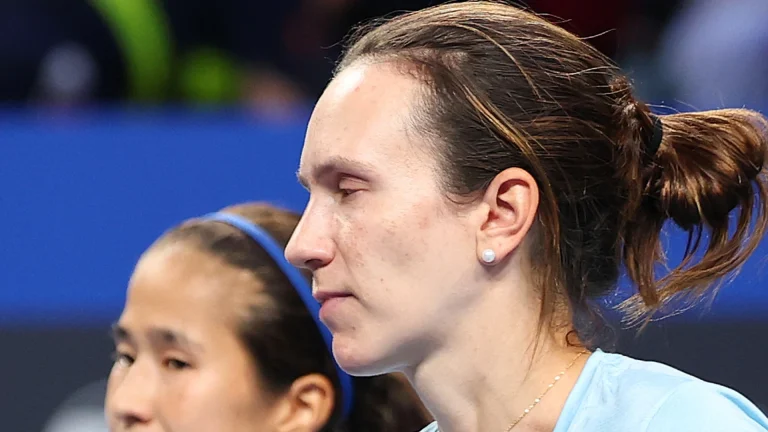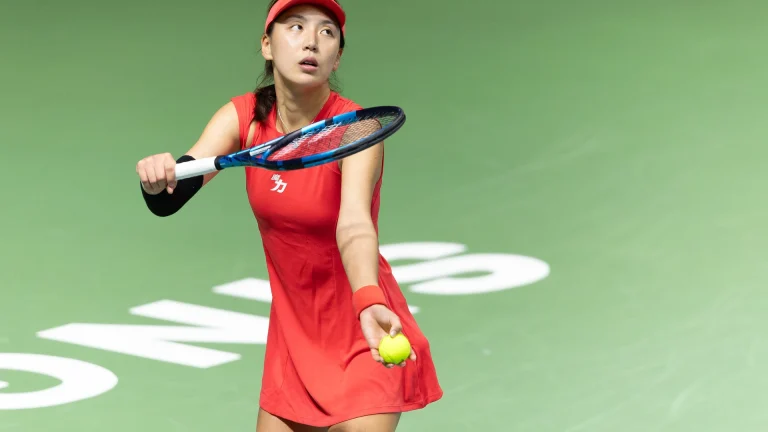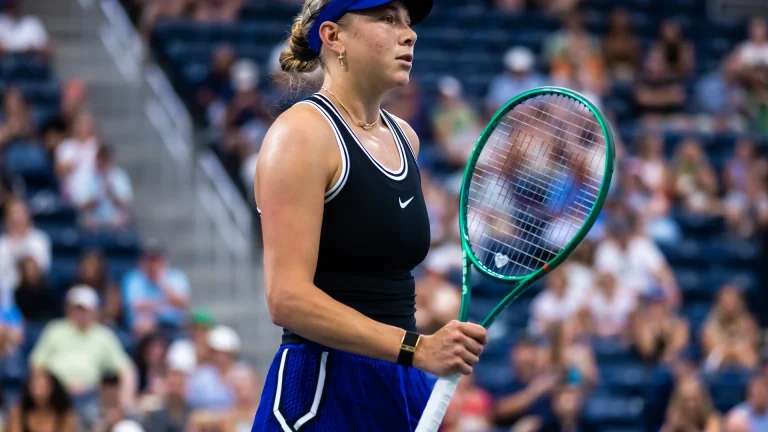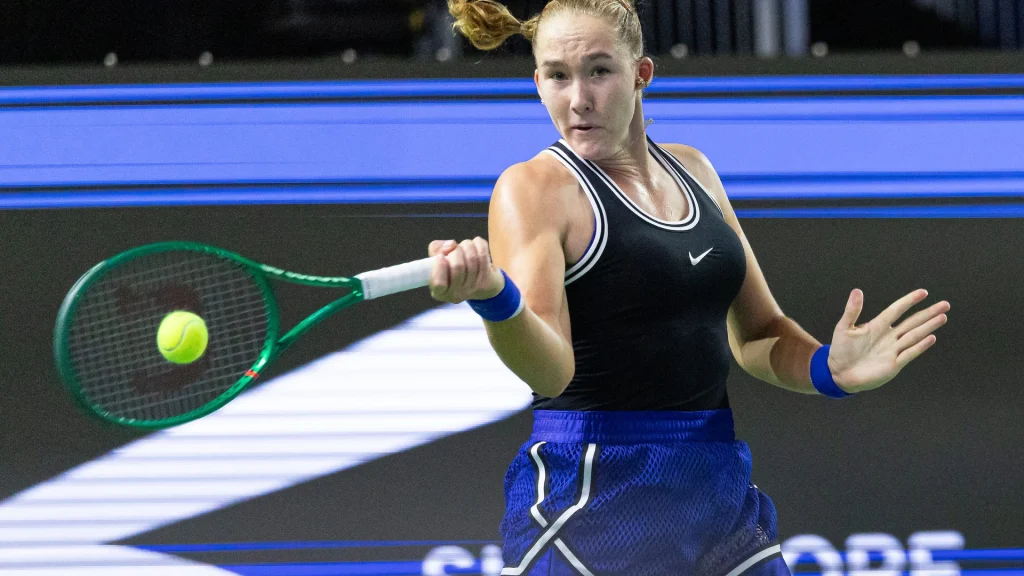
Top seed Mirra Andreeva and sixth seed Leylah Fernandez meet in the Singapore Tennis Open quarterfinals after straight-set wins. Their overall series is tied at two victories each, while Fernandez has won both previous meetings played on hard courts.
Andreeva began with a controlled first match
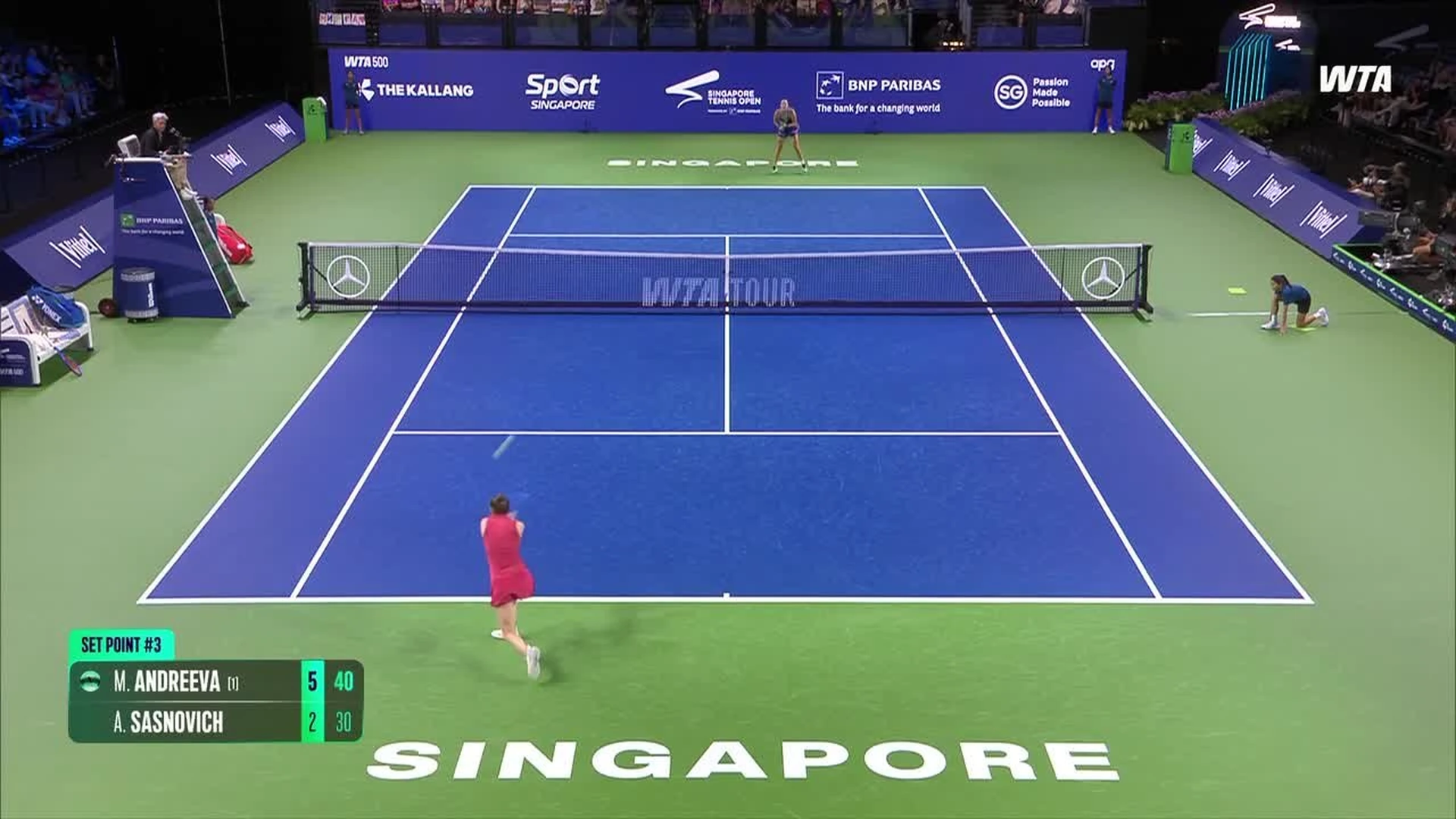
She defeated Aliaksandra Sasnovich 6-2, 6-2 after receiving a first-round bye, using depth to keep the returner from taking early control. Fernandez’s left-handed serve changes the return picture immediately. Andreeva needs enough depth to stop the Canadian from taking the next ball inside the baseline and directing the rally with her forehand. Fernandez can also use the serve into the body to reduce Andreeva’s space for a full return swing. Andreeva’s answer is early preparation and a compact block that sends the ball deep enough to begin the point on even terms.
A direct score does not remove the need to adjust because Fernandez attacks with a different left-handed ball. A change of pace should be used before either player settles into a comfortable exchange. Height, a shorter angle or a timely move forward can interrupt rhythm without abandoning the main baseline structure.
Fernandez protected her own path in straight sets
The Canadian beat Alycia Parks 6-4, 6-3 and managed the pace of a dangerous first strike. The first serve matters beyond aces because it decides who begins the rally in balance. A high percentage with predictable placement may be less valuable than a varied pattern that protects the following forehand.
Her next opponent will ask for more patience and better recovery after the first aggressive forehand. Andreeva can answer through controlled height and direction. A deeper, heavier ball toward the backhand may create the shorter reply she needs without requiring a low-percentage winner from a neutral position.
The hard-court record gives one useful detail
Fernandez leads two to zero in their hard-court meetings, showing that her timing has troubled Andreeva on this surface. The two previous hard-court wins for Fernandez are useful evidence, but they are not a complete forecast. Court speed, current confidence and the quality of the first few service games can change the pattern of a new meeting.
The sample is still small and does not decide a new match with different form and conditions. The deciding adjustment is likely to be small rather than dramatic. One better return lane or one extra neutral ball can shift the match without either player changing the identity of her game.
Left-handed patterns will shape the return
Fernandez can move the serve away from a familiar contact point and open the next forehand toward the opposite corner. Score pressure can make the same serve look different late in a set. Protecting the first point of a service game helps either player keep her preferred pattern instead of immediately serving toward the safest and most predictable target.
Andreeva needs depth on the return so the Canadian cannot step inside the baseline immediately. Both players arrived through straight-set wins, yet the paths were different. Andreeva controlled Sasnovich’s court position, while Fernandez had to manage the immediate pace and power that Parks brought to the first strike.
The quarterfinal will reward smart changes of pace and spin
Mixing a flatter drive with a higher, deeper ball can prevent either player from settling into one contact rhythm. Return position will reveal the early plan. Standing closer can pressure a second serve, while a deeper position creates more reaction time and may help either player neutralize the left-handed angle.
The stronger adjustment may come from accepting one neutral shot before trying to redirect the rally. Singapore’s quarterfinal offers a clean rivalry test because both arrive with recent match rhythm. The result will add a fifth meeting without erasing the surface-specific evidence already created by their first four contests.