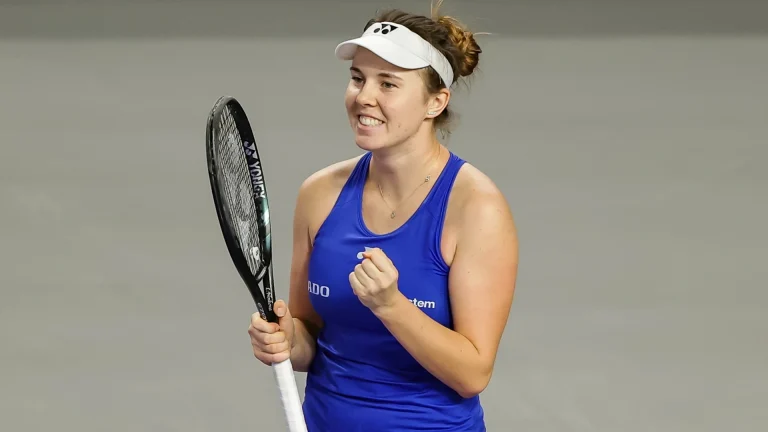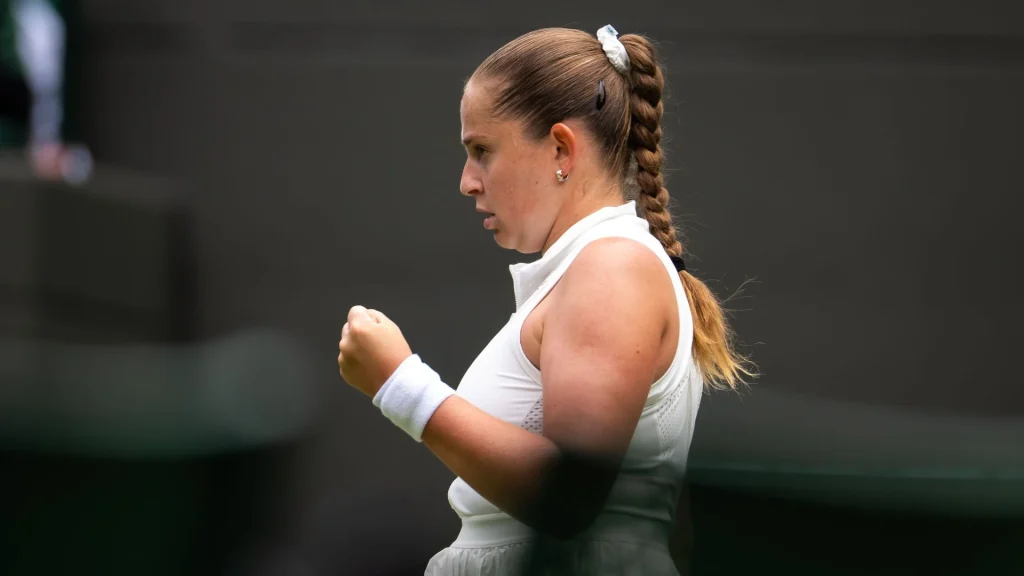
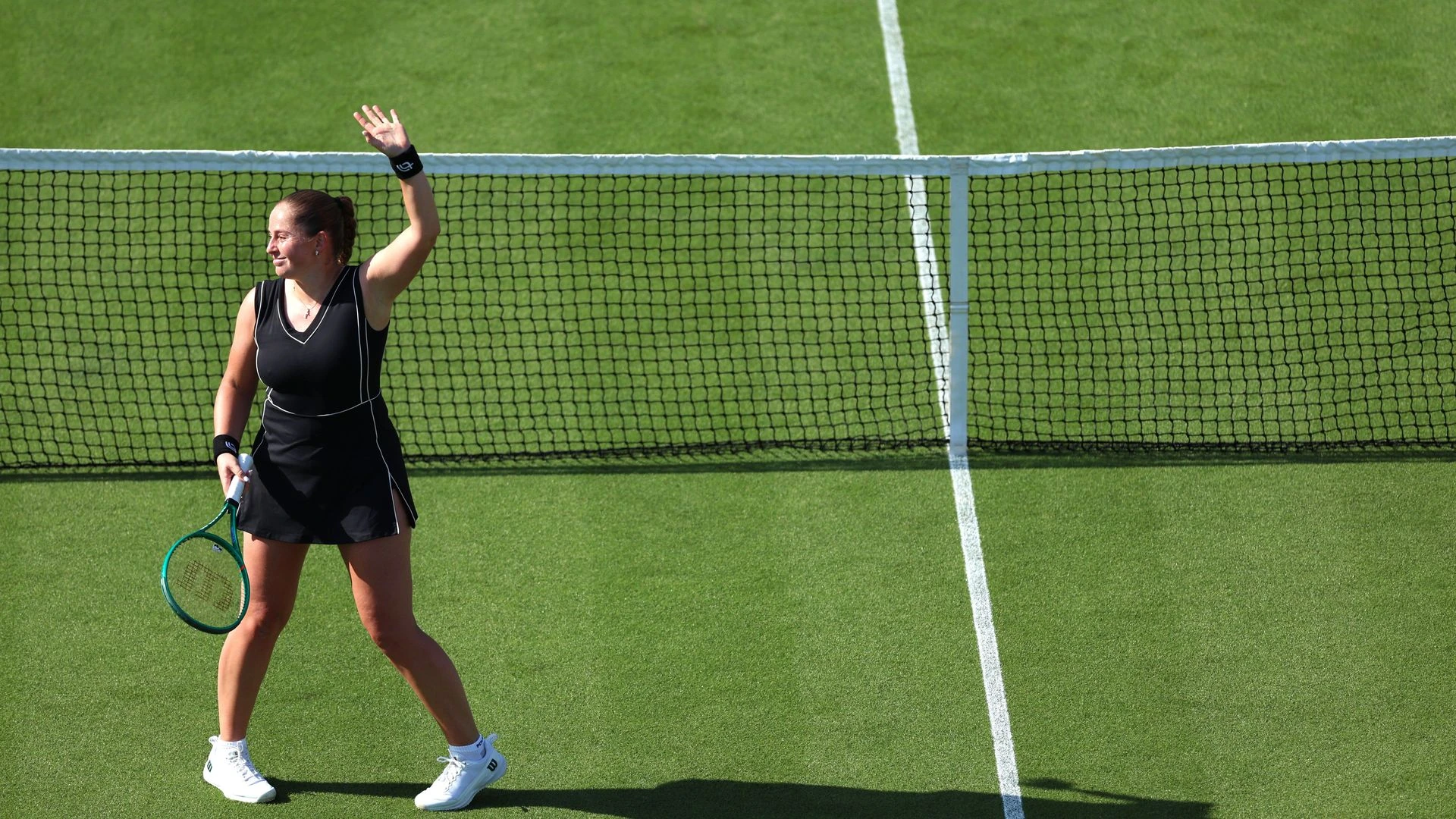
Main-draw play has begun at the Korea Open in Seoul, where Jelena Ostapenko is the top seed. The WTA 250 event runs through September 27 on the hard courts of the Seoul Olympic Park Tennis Center. Kimberly Birrell, Lanlana Tararudee and Elena-Gabriela Ruse follow in the seeding, while several local wild cards and qualifiers give the draw a wider range of playing styles.
Ostapenko brings first-strike pressure
Her best tennis takes time away with an early groundstroke and direct return position. That approach can control a hard-court match when the first attack lands deep.
The same commitment requires clear selection because an attack from a poor position can produce quick errors. The top seed’s task is to keep aggression connected to balance. Ostapenko received a wild card and enters as the leading seed, combining high expectations with a direct first-round assignment against Anastasia Zakharova. That matchup is confirmed in the draw, while its result is not. Her 2017 Seoul title adds relevant history, but it cannot replace present-day preparation. The opening task is to establish timing against the opponent in front of her.
The participant list offers different challenges
Birrell can extend rallies and make an opponent work before finding space to attack. Tararudee and Ruse present different movement and serving patterns.
Qualifiers arrive with matches already completed on the same courts, which can improve their early timing. A seeded player must therefore study the individual opponent rather than relying on her place in the bracket. The seeded positions shape separate sections of the draw rather than ranking every possible matchup in advance. Birrell, Tararudee and Ruse will each meet a different first opponent, so their routes should be assessed individually. Qualifiers carry useful court time from the weekend, while direct entrants may arrive fresher. Neither advantage matters unless it is converted into cleaner decisions during the match.
| Draw position | Player |
|---|---|
| Top seed | Jelena Ostapenko |
| Second seed | Kimberly Birrell |
| Third seed | Lanlana Tararudee |
| Fourth seed | Elena-Gabriela Ruse |
Local wild cards gain a valuable stage
Dayeon Back, Yeonwoo Ku and Sohyun Park are among the home players listed in the field. A home crowd can increase energy while also making the opening games feel unusually important.
A simple service routine helps separate support from pressure. Their opportunity is meaningful even without promising how far any one player will advance. Dayeon Back, Yeonwoo Ku and Sohyun Park represent the host country through main-draw wild cards. Back has already completed her opening match and advanced in three sets against Yue Yuan. Ku and Park remain part of the live schedule at the time of review. Using the official results this way separates a completed home success from matches that should not yet be described as wins or losses.
Seoul begins the Asian hard-court swing
Players are moving into a sequence of events with travel, climate and ranking consequences. The first week rewards those who adapt quickly without adding unnecessary training load.
Recovery between matches matters as much as one strong practice session. The Korea Open can provide momentum, but each later tournament will require a fresh plan. The hard courts reward early contact, but several consecutive match days make recovery part of the tournament. Players must balance practice with treatment, sleep and the time required to adjust to local conditions. The schedule can change after long matches or weather delays, so a fixed routine needs enough flexibility. Good preparation is measured by readiness for the next round, not by the length of a training session.
The live tournament should be described carefully
The player list and opening schedule are confirmed, while the champion is not. Results can change throughout the day and should not be replaced by assumptions from the seedings.
The event’s structure is already useful to readers without predicting a final. Assessment should follow completed matches and preserve the difference between entry, progress and elimination. A live draw requires precise language. Back’s result and other completed matches may be reported as facts, while Ostapenko’s opener and several remaining contests stay upcoming. Seed numbers describe placement only; they do not promise progress. Readers should be able to distinguish who has advanced, who is still scheduled and which later positions in the bracket remain unfilled. The tournament continues through September 27, leaving several rounds between the opening schedule and the title. Updating the story from official scores will keep each later report tied to completed play instead of expectations created by the seed list.