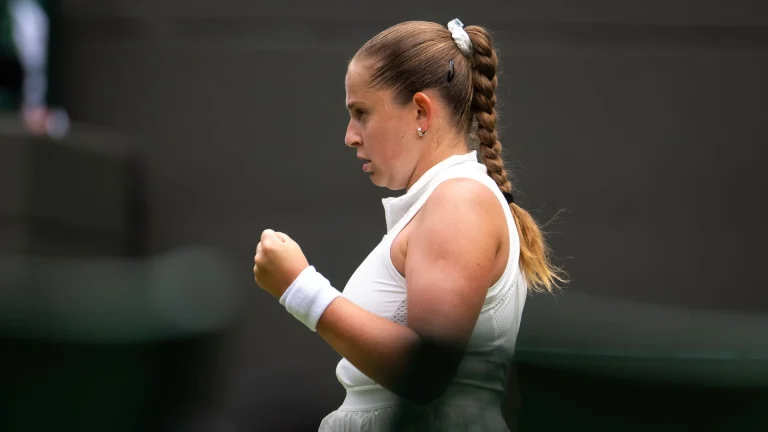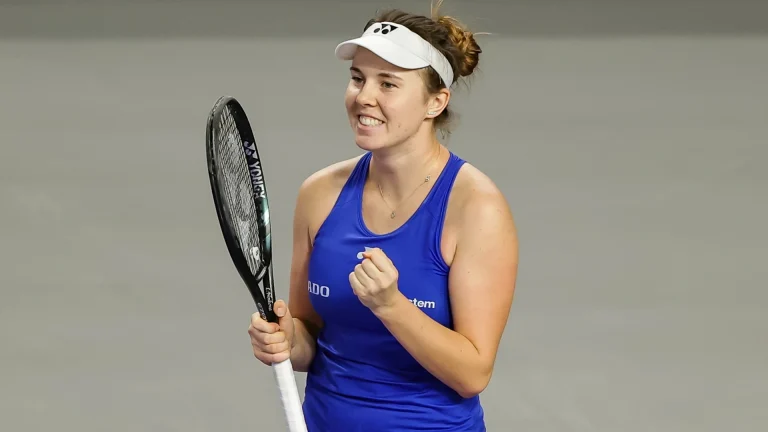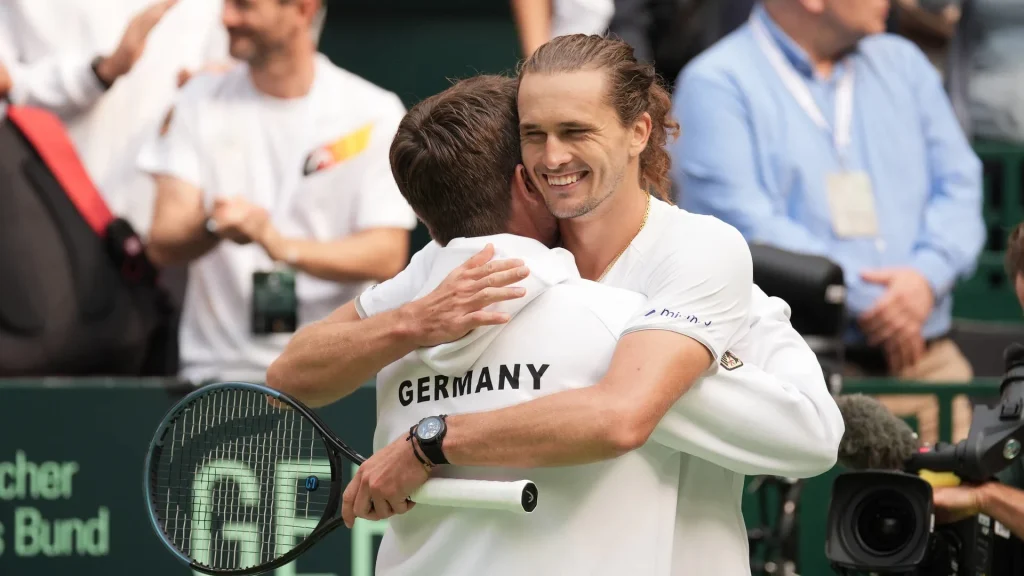
Germany defeated Croatia 3-1 in Halle and qualified for the Davis Cup Final 8 in Bologna. Alexander Zverev returned to the national team after winning the US Open and gave the tie a strong opening platform, while the German lineup completed the job across the remaining matches. Croatia forced the contest to remain active, but Germany handled the change from individual pressure to a shared team objective more consistently.
Zverev gave Germany an authoritative start
A leading singles player can reduce pressure on every teammate by putting the first point on the board. Zverev used serve placement and early control of the baseline rather than chasing a winner from every ball.
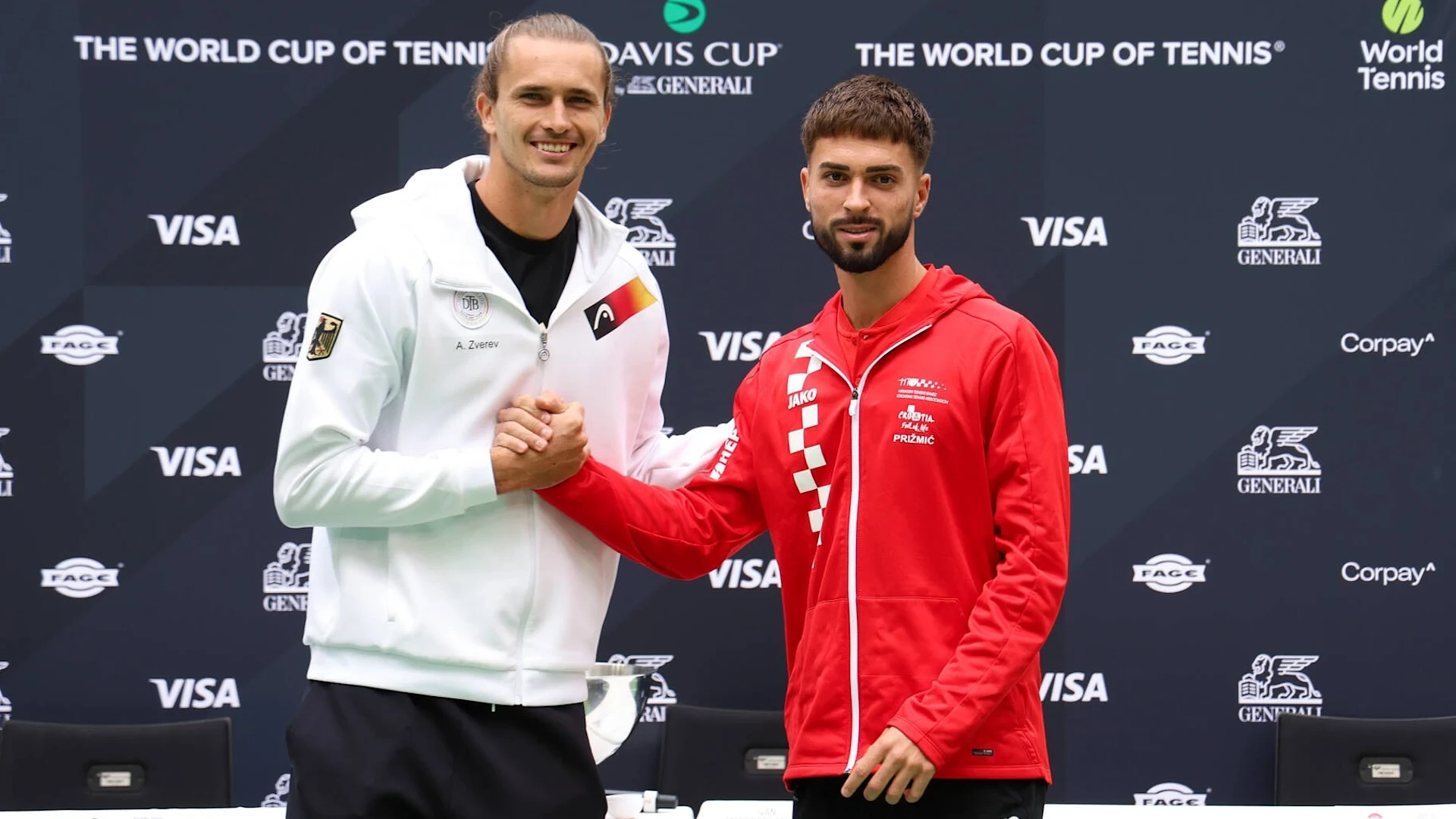
His recent success brought attention, but the Davis Cup still required adjustment to a team environment. The opening performance made that transition look controlled. Zverev first defeated Matej Dodig in straight sets, but Germany did not finish the opening day in control because Dino Prizmic responded against Daniel Altmaier. The 1-1 score preserved real pressure for the second day. This sequence matters more than a general reference to rankings: Croatia recovered immediately, and Germany had to earn the remaining two points rather than protect a comfortable overnight lead.
Croatia kept the tie competitive
A national-team contest is not settled by the reputation of the highest-ranked player. Croatia continued to test Germany through committed returns and patient exchanges.
The response ensured that later matches carried real consequence. Germany therefore had to preserve its structure rather than treating the opening advantage as qualification. Kevin Krawietz and Tim Pütz then moved Germany ahead by beating Nikola Mektić and Mate Pavić. Their result changed the task for the reverse singles, because one further victory would complete qualification. Doubles therefore acted as the bridge between an even first day and the decisive match. It also showed why a national team cannot be assessed only through its best-known singles player.
| Tie detail | Confirmed outcome |
|---|---|
| Host city | Halle |
| Final score | Germany 3-1 Croatia |
| German leader | Alexander Zverev |
| Next stage | Davis Cup Final 8 in Bologna |
Doubles and lineup depth mattered
The format asks a captain to prepare for several combinations instead of one isolated matchup. Serve patterns in doubles need to account for the receiver and the player waiting at the net.
Germany’s depth allowed the team to keep a clear plan when responsibility moved through the lineup. That shared work explains why the final score belongs to the squad, not only its leading name. Zverev closed the tie against Prizmic in straight sets. The final point demanded a fresh performance rather than a continuation of his opening win, because the opponent and the pressure were different. Germany could celebrate only after that match ended. Describing the order accurately keeps the 3-1 score understandable and gives each part of the lineup a clear place in the qualification.
Halle supplied a demanding home stage
Home support can lift energy while also making every difficult service game feel larger. The German players used the crowd without allowing emotion to shorten their decision-making.
A calm reset after a lost point remained important throughout the tie. That balance will also matter in Bologna, where the setting and opponents change. The quick move from the US Open to Halle also tested recovery. Travel, media attention and a change from individual competition to a team bench can disrupt familiar routines. Germany benefited because Zverev arrived ready to play twice, while the doubles specialists handled their separate responsibility. The schedule did not leave much time for celebration before preparation resumed.
Qualification creates a new preparation cycle
The place in the Final 8 is confirmed, while the later knockout result remains open. Germany can now review which serving and return patterns travelled best across the tie.
Croatia leave with evidence of where pressure was created but not converted often enough. For Germany, the next task is to carry the same collective clarity into a shorter and less forgiving stage. Bologna will create a new set of matchups, so the Halle score cannot be carried into the Final 8. Germany can retain the confidence earned by responding after the tie reached 1-1. Croatia, meanwhile, can point to Prizmic’s opening-day victory and identify where the second day changed. The completed tie supplies evidence for both teams without deciding anything about their next competitions. The official Final 8 draw will define Germany’s next opponent and the exact route through the knockout stage. Until then, the useful conclusion from Halle is limited but solid: Germany won two singles matches through Zverev and received the doubles point it needed from Krawietz and Pütz.